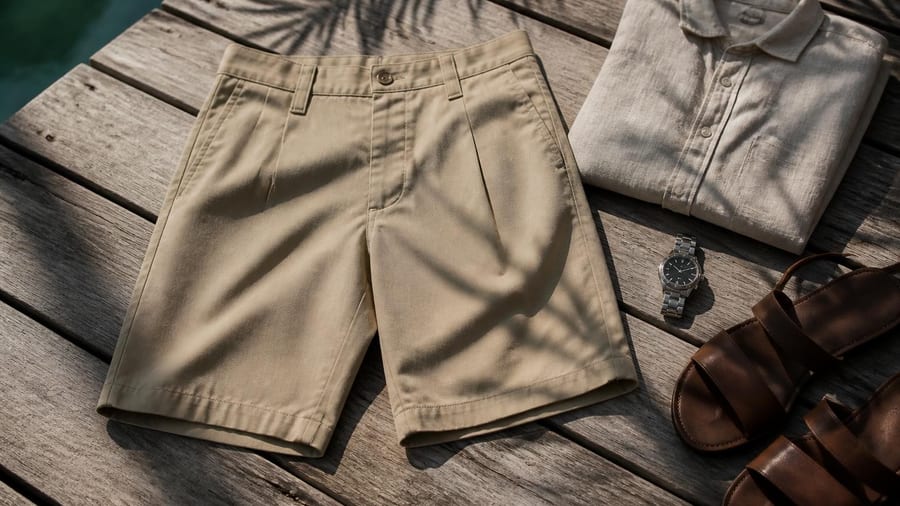
After decades of oscillating hemlines and the micro-short's stranglehold on summer wardrobes, a quieter silhouette is claiming territory: the Bermuda short. Neither tight nor scanty, this knee-skimming style is staging a comeback that feels less like a trend resurrection and more like a collective exhale. For summer 2026, fashion observers note that tailored, longer shorts are appearing across street style, runway collections, and retail offerings with a frequency that suggests staying power.
What separates this moment from past iterations is context. The Bermuda short isn't arriving as officewear or country-club attire. Instead, it's being reimagined through a lens of ease and versatility, worn by urban professionals, college students, and weekend travelers alike. The garment's appeal lies in its ability to address multiple priorities: coverage without stuffiness, structure without rigidity, and a silhouette that accommodates a range of body types.
What Defines a Bermuda Short
Not every knee-length short qualifies as a Bermuda. The distinction lies in construction and proportion. Authentic Bermudas feature a tailored waistband, often with darts or pleats that create shape without clinging. The leg is cut straight or slightly A-line, ending just above or at the knee—typically one to two inches above the kneecap. Belt loops are common, as are front pockets that sit flat rather than bulging.
Fabric choice matters. Traditional Bermudas use woven materials: cotton twill, linen blends, lightweight wool, or structured poplin. Denim versions exist but lean toward rigid rather than stretch constructions. The overall effect is polished yet breathable, a middle ground between the formality of trousers and the casualness of athletic shorts.
- Inseam length: 9 to 11 inches, depending on height
- Waist construction: structured with button or hook closure
- Leg opening: straight or slightly tapered, not flared
- Details: front pleats, belt loops, functional pockets
- Fabric: woven materials with body, avoiding jersey or fleece
Why the Style Is Resonating Now
Several cultural currents are converging to elevate the Bermuda short. First, the ongoing appetite for 1990s minimalism has shoppers hunting for pieces that echo the decade's understated elegance—think relaxed tailoring, neutral palettes, and an aversion to overt branding. The Bermuda short fits squarely into that aesthetic vocabulary.
Second, climate realities are forcing practical recalibrations. As heat waves intensify and extend into traditionally moderate months, the demand for breathable, office-appropriate clothing has grown. Bermudas offer a compromise: they read as intentional rather than impromptu, allowing wearers to navigate professional and social settings without overheating.
The return of longer shorts reflects a broader shift toward garments that balance comfort with polish, particularly as workplaces adopt more flexible dress codes and summer temperatures climb.
Third, the garment aligns with a growing preference for modest silhouettes that don't sacrifice style. For individuals who prefer more coverage—whether for personal, religious, or comfort reasons—Bermudas provide an option that feels current rather than conservative.
How to Style Bermuda Shorts for Different Settings
The versatility of Bermudas hinges on pairing choices. The same pair can pivot from casual to refined depending on accompanying pieces and accessories.
Casual Weekend Wear
For relaxed outings, pair neutral Bermudas with a tucked-in T-shirt or a lightweight knit. Low-profile sneakers or flat sandals keep the look grounded. A crossbody bag and minimal jewelry maintain simplicity. Rolled hems or cuffed waistbands add a lived-in feel without sacrificing structure.
Office and Professional Settings
In workplaces with business-casual or smart-casual codes, Bermudas work when styled with intention. A crisp button-down shirt—either tucked or tied at the waist—provides polish. Loafers, ballet flats, or block-heel mules elevate the outfit. A structured blazer can be layered for meetings or presentations. Stick to solid colors or subtle patterns to maintain professionalism.
Evening and Social Events
Bermudas transition to evening wear with the right pairings. A silk camisole or sleek bodysuit, combined with heeled sandals or mules, shifts the tone. Statement earrings or a structured clutch add refinement. Monochromatic dressing—matching the short and top in similar hues—creates a streamlined silhouette that reads as deliberate.
| Setting | Top | Footwear | Accessories |
|---|---|---|---|
| Casual | T-shirt, tank, loose knit | Sneakers, flat sandals | Crossbody bag, sunglasses |
| Office | Button-down, blouse | Loafers, ballet flats | Tote, minimal jewelry |
| Evening | Silk camisole, bodysuit | Heeled sandals, mules | Clutch, statement earrings |
Fit and Fabric Considerations
Proper fit is non-negotiable. Bermudas that pull across the hips or gap at the waist undermine their tailored appeal. The waistband should sit comfortably at the natural waist or slightly below, without requiring a belt to stay in place (though belts can be added for styling). The leg should skim the thigh without tightness, allowing for movement and airflow.
Fabric weight varies by climate. In humid regions, linen blends or lightweight cotton prevent overheating. In drier heat, structured poplin or twill maintains shape without wilting. Avoid overly stiff fabrics that restrict movement or create discomfort during extended wear.
Color and pattern choices influence versatility. Neutral tones—navy, khaki, olive, black, cream—pair easily with existing wardrobe staples. Subtle stripes or checks add visual interest without limiting styling options. Bright colors and bold prints work for statement pieces but may reduce outfit flexibility.
Shopping and Sustainability Notes
As demand rises, both high-end and accessible brands are expanding Bermuda offerings. When shopping, prioritize quality over quantity. Well-constructed shorts with reinforced seams and durable fabrics will outlast fast-fashion alternatives. Check for functional buttonholes, secure stitching at stress points, and linings that prevent sheerness.
Secondhand and vintage markets offer rich hunting grounds. Bermuda shorts were widely produced in the 1980s and 1990s, meaning thrift stores and online resale platforms often stock well-made versions at a fraction of new retail prices. Vintage pieces may require minor tailoring—hemming or taking in the waist—but the fabric quality often surpasses contemporary fast fashion.
For those committed to sustainable fashion, consider brands that prioritize ethical manufacturing and natural fibers. Look for certifications like Fair Trade, GOTS (Global Organic Textile Standard), or B Corp status. Choosing garments made from organic cotton, linen, or Tencel reduces environmental impact compared to synthetic alternatives.
Final Thoughts on the Bermuda Revival
The reemergence of Bermuda shorts is not a fleeting novelty. It reflects broader shifts in how people approach summer dressing—prioritizing comfort, versatility, and a measured approach to trends. As workplaces relax formality and climate pressures mount, the need for adaptable, breathable clothing will only grow.
For those hesitant to try the style, start with a classic neutral pair in a mid-weight fabric. Experiment with different pairings to find combinations that feel authentic. The beauty of the Bermuda short lies in its restraint: it doesn't demand attention but quietly elevates whatever it's paired with.
This article provides fashion guidance and does not constitute professional advice. Individual style choices should reflect personal preferences and practical needs.