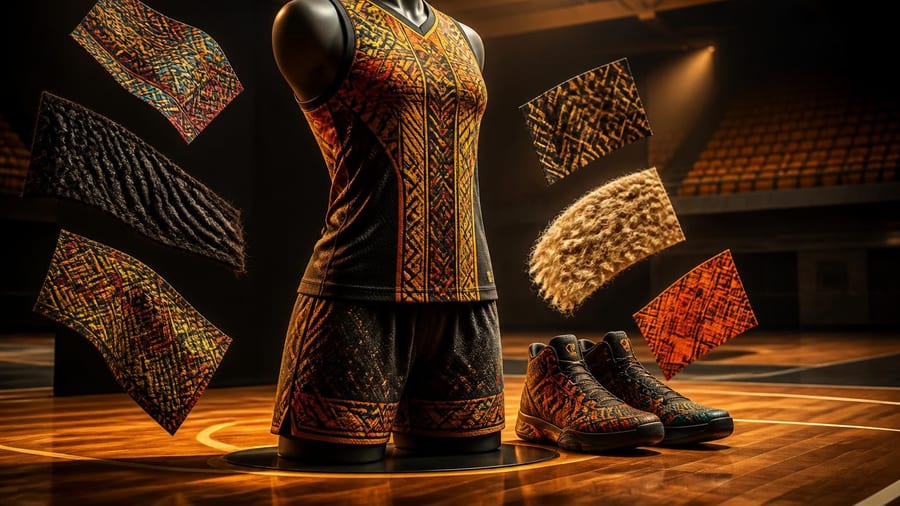
When athletes step into the arena, they bring more than skill—they carry heritage, identity, and a visual language that speaks before the first serve or sprint. For Black women in sports, fashion has become a deliberate tool of cultural reclamation, a way to command attention on their own terms and redefine what athletic excellence looks like in spaces historically designed to exclude them.
This shift isn't incidental. It represents a calculated reclamation of visibility in sports where traditional aesthetics have long privileged whiteness, conformity, and restraint. By integrating elements of Black cultural expression—vibrant colors, bold patterns, elaborate styling—into their athletic personas, these women challenge the unspoken rules about who belongs and what professionalism means.
The Arena as Cultural Stage
Professional sports venues have evolved into platforms where athletic performance intersects with cultural statement. The moment before competition begins—the entrance, the warm-up, the pre-game ritual—has transformed into a deliberate performance of identity. Athletes now understand that cameras capture not just their athletic prowess but their entire presentation.
This trend reflects a broader shift in sports media. With social platforms amplifying every outfit choice and stylistic decision, athletes possess unprecedented control over their public image. What they wear becomes part of their legacy, documented and dissected alongside championship titles and career statistics.
For Black women athletes, this visibility carries particular weight. Their fashion choices often reference African diasporic traditions—textiles, hair artistry, jewelry—that have historically been dismissed or policed in predominantly white sporting institutions. By centering these elements, they assert that excellence doesn't require assimilation.
Historical Precedents
The relationship between Black athletes and fashion controversy isn't new. Throughout the 20th century, Black sportswomen who deviated from conservative dress codes faced disproportionate scrutiny. Their style choices were characterized as distracting, unprofessional, or attention-seeking—critiques rarely leveled at white counterparts who experimented with athletic wear.
Fashion in sports has always been political, but when Black women use it to celebrate their heritage, the conversation shifts from aesthetics to power.
These historical tensions underscore why contemporary fashion choices carry such significance. Each bold outfit represents not rebellion for its own sake, but continuation of a legacy—proof that Black women have always insisted on defining themselves rather than accepting definitions imposed by others.
Business and Brand Building
Beyond cultural expression, fashion serves as a strategic business tool for athletes building empires beyond their primary sport. The modern athlete-entrepreneur understands that a distinctive visual brand translates to endorsement deals, collaborations, and post-retirement opportunities.
Fashion partnerships offer athletes avenues to:
- Launch signature product lines that reflect personal aesthetics
- Collaborate with luxury brands seeking authentic cultural connections
- Build media presence that transcends sports journalism
- Create revenue streams independent of tournament winnings
- Establish themselves as tastemakers in broader cultural conversations
This business strategy proves particularly valuable for women athletes, who historically receive less prize money and fewer sponsorship opportunities than male counterparts. By cultivating fashion credentials, they access industries where gender pay disparities, while still present, may be less pronounced than in traditional sports sponsorship.
The Dual Edge of Visibility
Increased visibility through fashion comes with complications. Black women athletes who embrace bold styling often face intensified scrutiny that blends racism with sexism. Critics question their commitment to sport, suggest they prioritize appearance over performance, or accuse them of seeking attention inappropriately.
These critiques reveal persistent double standards. Male athletes who cultivate distinctive styles or pursue fashion interests rarely face questions about their dedication. White women athletes who experiment with fashion are often celebrated as bringing glamor to their sports. But when Black women make similar choices, the response frequently shifts to discomfort, mockery, or hostility.
Social media amplifies both support and backlash. While platforms enable athletes to share their styling choices directly with fans, they also provide venues for racist harassment. The same visibility that empowers can expose athletes to torrents of abuse that takes emotional and psychological tolls.
Navigating Traditional Institutions
Some sporting institutions maintain strict dress codes rooted in traditions established when these spaces were exclusively white. These regulations—from all-white requirements to restrictions on hair styles—create ongoing friction as athletes push for policies that accommodate cultural diversity.
Recent years have seen incremental changes. Some tournaments have relaxed historically rigid dress codes, acknowledging that outdated rules serve no competitive purpose and primarily function as barriers to inclusion. Yet progress remains uneven, with many athletes still forced to choose between authentic self-expression and institutional compliance.
Beyond Individual Athletes
The fashion choices of prominent Black women athletes influence broader conversations about representation in sports. Young athletes—particularly Black girls seeing themselves reflected in championship-winning, fashion-forward role models—receive powerful messages about possibility.
This representation matters because it challenges limiting narratives about who belongs in elite athletics and what pathways to success look like. When young Black women see athletes who look like them succeeding while embracing their cultural heritage, it expands their sense of what they can become.
| Element | Cultural Significance | Athletic Context |
|---|---|---|
| Protective hairstyles | African diaspora tradition, hair care | Practical for performance, identity statement |
| Bold colors/patterns | African textile heritage | Visibility, brand distinction |
| Custom athletic wear | Personal aesthetic expression | Performance optimization, sponsorship |
| Jewelry/accessories | Cultural symbolism, family connection | Pre-game ritual, personal meaning |
The impact extends beyond sports into broader cultural production. As athlete-driven fashion gains prominence, it influences mainstream fashion industry conversations about diversity, authenticity, and who gets to define contemporary style.
Looking Forward
The intersection of Black women athletes, fashion, and sports continues evolving. As more athletes build multifaceted careers spanning athletics, business, activism, and culture, the boundaries between these domains will likely blur further.
Future generations may inherit sports landscapes where cultural expression through fashion is normalized rather than controversial. But achieving that future requires ongoing challenges to the systems and attitudes that currently police how Black women present themselves in athletic spaces.
The athletes leading this transformation understand that their fashion choices carry weight beyond personal preference. Each outfit, hairstyle, and accessory contributes to expanding what's possible for those who follow—a form of activism that happens not through statements alone, but through the persistent, visible claim that heritage and excellence coexist powerfully.
This article discusses cultural and business trends in professional sports. It does not provide career, financial, or professional advice. Readers interested in pursuing athletic careers should consult qualified coaches, agents, and advisors.