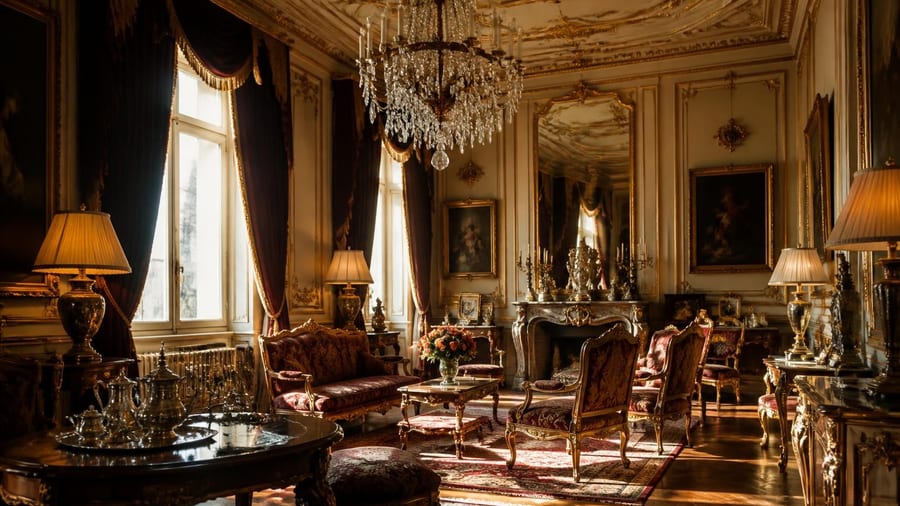
Since its debut in 2010, Downton Abbey has captivated viewers with its blend of upstairs opulence and downstairs grit, wrapping family loyalty and social change into six seasons and three feature films. The series transformed Sunday evenings into appointments with the Crawley family, their servants, and the shifting British class system from 1912 through the early 1930s. If you've exhausted every episode and still hunger for lush costumes, clever banter, and the weight of inheritance, the television landscape offers a rich selection of alternatives that honor the same spirit while carving their own paths.
American Counterparts: Wealth and Power Across the Atlantic
Creator Julian Fellowes brought his period-drama expertise stateside with The Gilded Age, set in 1880s New York City during America's explosive industrial expansion. The HBO series chronicles the clash between old-money aristocrats and nouveau-riche tycoons, centering on Marian Brook, a young woman navigating two opposing households on the same block. The show delivers the same meticulous attention to historical detail—down to the silverware placement—while exploring how American fortunes were built on railroads, steel, and ruthless ambition rather than inherited titles.
For viewers drawn to the moral complexities beneath polished surfaces, House of Guinness offers a darker portrait of dynasty. This 2025 Netflix series from Peaky Blinders creator Steven Knight follows the heirs of Sir Benjamin Guinness after his death, weaving real events into a tale of brewing empire, Irish politics, and sibling rivalry. Expect violence and intrigue that feels more visceral than Downton's drawing-room disputes, yet the family stakes remain equally high.
British Estates and Class Divides
Long before the Crawleys opened their doors, Upstairs, Downstairs established the template for dual-perspective period drama. The original 1971–1975 series tracked the Bellamy family and their London staff through 68 episodes of triumph, scandal, and war. Co-created by actress Jean Marsh, who played housemaid Rose Buck, the show treated servants as full characters rather than scenic backdrop. A 2010 revival brought the format into the interwar years, proving the formula's enduring appeal. Both versions remain benchmarks for any production attempting to balance historical sweep with intimate character study.
Belgravia, another Fellowes creation, condenses the sprawling multi-season model into a tighter narrative. Set in the 1840s, the limited series unravels a decades-old secret linking two families across London's most fashionable neighborhood. The pacing feels brisker than Downton, yet the trademark ingredients remain: inheritance drama, forbidden romance, and the social minefields of Victorian etiquette.
Royal Courts and Political Intrigue
When the focus shifts from country estates to royal palaces, The Crown expands the scope while maintaining similar themes of duty versus desire. Netflix's biographical saga chronicles Queen Elizabeth II's reign from her 1947 wedding through the early 2000s, replacing fictional aristocrats with real monarchs facing constitutional crises, family scandals, and a modernizing world. The production values rival any feature film, and the rotating cast—each actor covering roughly a decade—keeps the performances fresh across six seasons.
"The series treats the Windsor family as both historical figures and deeply human characters grappling with impossible choices," noted a Smithsonian Magazine review of The Crown's approach to biographical drama.
For intrigue set centuries earlier, Wolf Hall adapts Hilary Mantel's acclaimed novels about Thomas Cromwell's rise in Henry VIII's court. The 2015 BBC miniseries, and its 2024 sequel The Mirror and the Light, portray Tudor politics as a chess game where one wrong move means the executioner's block. Mark Rylance's understated performance as Cromwell reveals how power accumulates through patience, intelligence, and carefully chosen words—a sharp contrast to Downton's more genteel power struggles.
Romance and Regency Splendor
If you gravitated toward Downton's romantic subplots, Bridgerton amplifies that element into the foreground. Shonda Rhimes's Regency-era series prioritizes swoon-worthy courtships, modern sensibilities about race and gender, and a string-quartet soundtrack covering contemporary pop hits. The show's diverse casting and unapologetically romantic tone distinguish it from Downton's restrained emotional palette, yet both series understand how personal relationships reflect larger social transformations.
Sanditon, based on Jane Austen's unfinished final novel, offers a middle ground between Downton's realism and Bridgerton's fantasy. Set in a small seaside town being developed into a fashionable resort, the series follows Charlotte Heywood as she encounters ambitious developers, rakish heirs, and the economic pressures reshaping Regency England. The show's cancellation after one season sparked a fan campaign that successfully revived it for two more, proving viewers' appetite for period drama extends beyond marquee titles.
International Perspectives on Class and Change
| Series | Setting | Key Theme |
|---|---|---|
| Gran Hotel | 1905 Spain | Murder mystery in luxury resort |
| A Place to Call Home | 1950s Australia | Postwar social upheaval |
| The Forsyte Saga | Victorian-Edwardian England | Multi-generational family conflict |
Spanish-language drama Gran Hotel transplants the upstairs-downstairs framework to a glamorous early-1900s resort, where a young man investigates his sister's disappearance while working undercover as a server. The show's blend of period detail and telenovela pacing creates a distinct flavor, proving the format's flexibility across cultures.
Australian series A Place to Call Home examines postwar society through nurse Sarah Adams, who returns from Europe to rural New South Wales carrying secrets that threaten a wealthy family's reputation. The show tackles subjects—including LGBTQ+ relationships and religious prejudice—with a frankness that historical dramas sometimes avoid, demonstrating how period settings can illuminate contemporary issues.
Why These Stories Endure
The sustained popularity of Downton Abbey and its successors reveals more than nostalgia for elaborate costumes and formal dinners. These series explore perennial questions about inherited privilege, social mobility, and how communities navigate technological and cultural disruption. Whether set in Georgian London, Gilded Age New York, or mid-century Australia, the best period dramas use historical distance to examine values and conflicts that remain urgently relevant.
- Complex female characters navigating limited options within rigid social structures
- Servants and working-class figures portrayed with dignity and agency
- Historical events—wars, economic crises, technological advances—shown through personal impact
- Visual splendor that transports viewers while grounding stories in authentic detail
- Ensemble casts allowing multiple perspectives and intersecting storylines
These shows demonstrate that period drama, at its finest, balances escapist beauty with substantive storytelling. The genre invites viewers to inhabit vanished worlds while recognizing the timeless patterns of ambition, loyalty, love, and loss that connect past to present.
This article provides entertainment recommendations and does not replace advice from qualified professionals regarding viewing choices or historical interpretation.