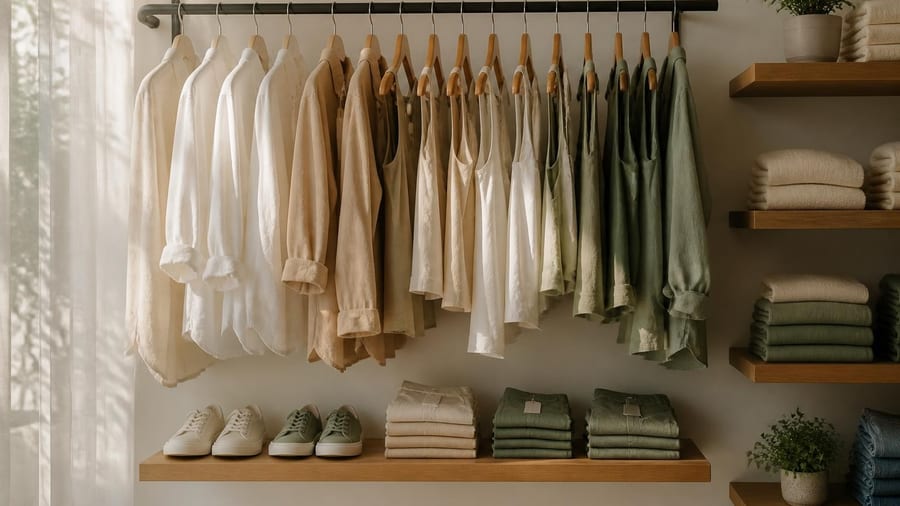
While shoppers have long turned to Amazon for everything from electronics to groceries, the platform has quietly evolved into a destination for building a complete seasonal wardrือrobe. Over the past year, the retailer has refined its fashion category to spotlight versatile, mix-and-match pieces that align with the capsule wardrobe philosophy—an approach that prioritizes quality basics over quantity. With entry prices starting at just $12, the strategy targets consumers who want streamlined style without the premium price tags of specialty boutiques.
The shift reflects broader changes in how Americans shop for clothing. According to data from the U.S. Census Bureau, e-commerce accounted for nearly 16% of total retail sales in 2024, with apparel among the fastest-growing categories online. Amazon's infrastructure—same-day delivery in many metro areas, hassle-free returns, and customer reviews—removes traditional friction points that once kept shoppers loyal to brick-and-mortar stores.
What Defines a Capsule Wardrobe
A capsule wardrobe typically consists of 20 to 40 versatile pieces that coordinate effortlessly across multiple outfits. The concept, popularized in the 1970s by London boutique owner Susie Faux, emphasizes neutral palettes, classic silhouettes, and timeless fabrics that transcend seasonal trends. For summer, this translates to linen trousers, cotton tees in foundational colors, denim shorts, lightweight blouses, and a handful of dresses that transition from day to evening.
Amazon's fashion team has grouped these essentials into thematic collections, making it easier for shoppers to identify core items without scrolling through thousands of unrelated listings. Categories include "Coastal Neutrals," "Modern Minimalist," and "Vintage Americana," each anchored by a palette of whites, tans, navy, and soft pastels. The curation mirrors strategies used by subscription styling services, but without recurring fees or commitment.
Price Points That Challenge Fast Fashion
One of the most striking elements of Amazon's summer wardrobe hub is the accessibility of pricing. Basic ribbed tank tops start at $12, while linen-blend shorts hover around $22. Wide-leg trousers in breathable cotton clock in near $28, and button-front midi dresses range from $32 to $45. These figures undercut many fast-fashion giants, whose comparable items often start $5 to $10 higher once shipping and handling are factored in.
By leveraging its supply-chain scale and direct relationships with manufacturers, Amazon can offer competitive pricing on staple garments that rival specialty brands in both fit and fabric quality.
The platform also benefits from its private labels—Amazon Essentials, Daily Ritual, and Goodthreads—which operate with lower overhead than traditional apparel brands. Customer feedback loops allow the company to iterate quickly on sizing, fabric weight, and color offerings, refining products based on thousands of verified purchase reviews.
How the Hub Simplifies Summer Dressing
Navigation within Amazon's fashion vertical has historically been a challenge, with search results often mixing luxury designer pieces, counterfeit listings, and off-brand imports. The capsule wardrobe hub addresses this by presenting a pre-filtered selection organized by style ethos rather than brand. Shoppers can filter by fit (relaxed, tailored, oversized), fabric (linen, cotton, modal), and color family, then view suggested outfit combinations within each category.
Key summer staples available through the hub include:
- Linen-blend button-down shirts in white, navy, and sand
- High-waisted denim shorts with 9- to 11-inch inseams
- Ribbed cotton tank tops in packs of three or five
- Wide-leg linen trousers with elastic waistbands
- Midi-length slip dresses in solid neutrals
- Canvas espadrilles and slide sandals under $30
Each product page includes styling suggestions, size guides with real customer measurements, and "frequently bought together" modules that mirror capsule-building logic. A shopper purchasing a linen shirt, for example, might see recommendations for matching trousers and a coordinating belt, streamlining the decision-making process.
Sustainability Considerations
While Amazon's pricing and convenience appeal to budget-conscious consumers, the environmental footprint of online retail remains a concern. The company has committed to net-zero carbon by 2040 and introduced the Climate Pledge Friendly badge to highlight products with sustainable certifications. Some capsule wardrobe items carry this designation, indicating third-party verification for organic cotton, recycled polyester, or reduced packaging.
However, critics note that the ease of online shopping can encourage impulse purchases and returns, both of which contribute to emissions and waste. The capsule wardrobe model inherently counters this by promoting intentional buying, yet the low price points may inadvertently invite overconsumption. Experts in sustainable fashion recommend pairing Amazon's affordability with a disciplined approach: purchase only items that fill gaps in an existing wardrobe and commit to wearing each piece at least 30 times.
Comparing Amazon to Traditional Retailers
Traditional department stores and specialty boutiques still offer advantages in tactile shopping—customers can feel fabric weight, assess true color, and try on multiple sizes in minutes. Yet the pandemic accelerated a shift toward digital-first retail, and younger consumers increasingly prioritize convenience and price over in-store experience. Amazon's hub bridges this gap with detailed product videos, 360-degree images, and a Try Before You Buy program for Prime members, allowing shoppers to test items at home before finalizing payment.
| Feature | Amazon Hub | Traditional Retailer |
|---|---|---|
| Starting Price | $12 | $18–$25 |
| Delivery Speed | 1–2 days (Prime) | Immediate (in-store) |
| Return Window | 30 days, prepaid label | 30–90 days, in-store or mail |
| Curation | Algorithm + editorial | Buyer-selected inventory |
For shoppers in rural or underserved areas, Amazon's reach is particularly valuable. Census data show that nearly 60 million Americans live in counties without a major department store, making online access to curated fashion a practical necessity rather than a luxury.
Building Your Own Summer Capsule
To maximize the value of Amazon's summer wardrobe hub, start by auditing your current closet. Identify gaps—perhaps you lack a neutral pair of trousers or a versatile dress—and use those needs to guide your search. Stick to a cohesive color palette of three to five hues, ensuring every new piece pairs with at least three items you already own.
Prioritize natural fibers like cotton and linen for breathability in warm weather, and read customer reviews for insights on fit and fabric quality. Pay attention to measurements rather than size labels, as Amazon's private labels and third-party sellers often vary in sizing standards. Finally, resist the temptation to over-order; a true capsule wardrobe thrives on restraint, not abundance.
This information does not replace advice from a qualified professional stylist or financial advisor when making wardrobe investment decisions.