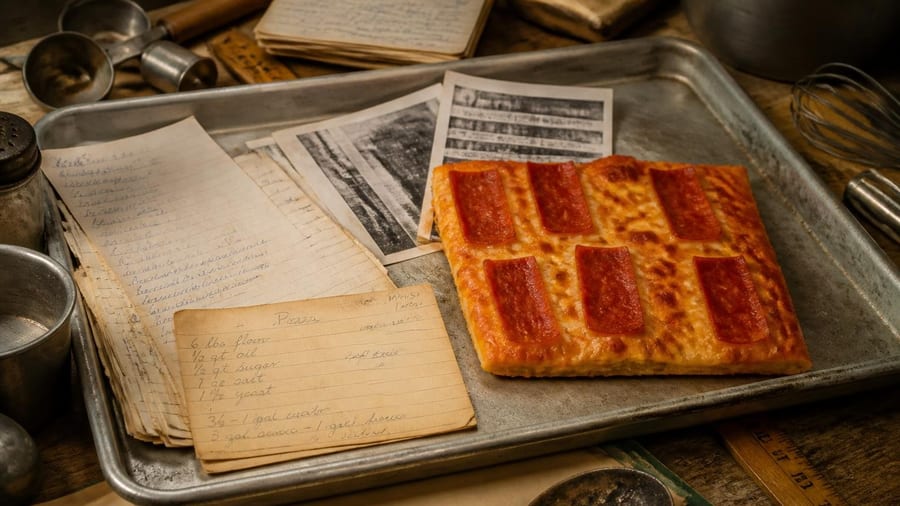
A peculiar string of words has begun circulating through social channels, paired with a recipe that promises to recreate the magic of cafeteria pizza. The pattern is unmistakable: unrelated names, random sequences, and a nostalgic food formula delivered with an urgent appeal not to lose it. At first glance, the combination seems nonsensical—but across platforms, thousands of users are engaging with similar posts that blend algorithmic noise with genuine culinary nostalgia.
The phenomenon reflects a broader shift in how food content travels online. What once moved through neatly curated food blogs and magazine test kitchens now emerges from accounts with cryptic handles, blending authentic recipes with engagement tactics designed to exploit platform algorithms. The result is a new genre of viral content where the recipe itself becomes secondary to the performance of preservation.
The Anatomy of a Viral Recipe Post
The school pizza recipe in question follows a familiar template. It features a sheet-pan crust made from flour, powdered milk, and quick-rise yeast, topped with a scratch-made tomato sauce enriched with olive oil and dried herbs. The formula is designed for volume: an 18-by-13-inch pan that feeds a crowd, echoing the industrial scale of institutional kitchens.
What distinguishes this from traditional recipe sharing is the framing. The plea to preserve the recipe—"Don't Lose This Recipe"—suggests scarcity in an age of infinite digital storage. This manufactured urgency taps into a psychological trigger: the fear that something valuable might vanish if not immediately saved or shared. Platform algorithms reward this anxiety-driven engagement, pushing such content to wider audiences.
The accompanying text strings—seemingly random character names or code fragments—serve a dual function. They may act as algorithmic markers, helping posts escape spam filters, or simply as attention-grabbing anomalies that prompt users to pause mid-scroll. In either case, the strategy works: engagement metrics climb, and the recipe spreads.
Nostalgia as Currency in Digital Kitchens
School cafeteria pizza occupies a unique space in American food memory. For millions who grew up in the 1980s through early 2000s, those rectangular slices represent a specific sensory experience: slightly chewy crust, mild cheese, and a sweet-savory sauce. The quality was uneven, the nutrition questionable, yet the memory persists with surprising affection.
Nostalgia for institutional food paradoxically grows stronger as the distance from childhood increases, transforming mediocre meals into cultural touchstones.
This emotional resonance makes such recipes powerful social-media tools. When a post promises to unlock that exact taste memory, it offers more than instructions—it sells time travel. The recipe becomes a vessel for collective memory, a way to reclaim a sensory experience that exists nowhere else.
Research on food nostalgia shows that remembered flavors often carry emotional weight disproportionate to their objective quality. A study from Cornell University's Food and Brand Lab found that comfort foods are deeply tied to social contexts rather than taste alone. The cafeteria pizza wasn't necessarily delicious; it was eaten during formative years, surrounded by peers, in a setting that now feels irretrievably distant.
Decoding the Algorithm-Friendly Format
The structure of viral recipe posts has evolved to match platform priorities. Lists of ingredients appear in easily scannable blocks. Step-by-step instructions are broken into digestible segments. Measurements are precise enough to seem authoritative but not so technical as to intimidate casual cooks.
Key elements of the format include:
- Urgent language that frames the recipe as endangered knowledge
- Personal testimony ("my kids loved it," "tastes just like school") that builds trust
- Specific bake times and temperatures that suggest tested reliability
- Flexible ingredient lists that allow substitutions without failure
The cryptic text fragments that sometimes accompany these posts may be artifacts of cross-platform sharing. As content moves from one social network to another, formatting code, hashtags, and metadata can fragment, creating the appearance of intentional mystery. Users then interpret these glitches as part of the content itself, adding layers of intrigue.
The Economics of Recipe Virality
Behind every viral recipe post lies a complex economy of attention, advertising revenue, and data harvesting. Accounts that generate high engagement can monetize through platform partner programs, affiliate links embedded in ingredient lists, or sponsored content deals with kitchen brands.
The recipe itself costs nothing to share, yet generates substantial value. A post with 24,000 views can translate into thousands of profile visits, follows, and subsequent engagement with monetized content. The actual cooking success rate matters less than the initial hook that drives traffic.
Some accounts operate as content farms, systematically testing recipes against engagement metrics. The most successful formulas are then replicated with minor variations, seeded across multiple platforms, and amplified through coordinated sharing networks. The school pizza recipe fits this model perfectly: it's simple enough for broad appeal, nostalgic enough for emotional engagement, and practical enough that some users will attempt it and report back.
| Recipe Element | Traditional Sharing | Viral Format |
|---|---|---|
| Introduction | Context and history | Urgent preservation plea |
| Ingredients | Precise measurements | Flexible with substitutions |
| Instructions | Detailed technique | Streamlined steps |
| Framing | Educational | Emotional and scarce |
When Code Meets Comfort Food
The juxtaposition of technical-looking strings with homey recipe instructions creates a cognitive dissonance that actually enhances memorability. When a post title contains seemingly random character sequences followed by detailed baking instructions, the brain registers the mismatch and pays closer attention.
This phenomenon isn't new. Early internet culture thrived on similar contrasts—recipe databases with clunky URLs, food forums with cryptic usernames, and email forwards mixing chain-letter urgency with grandmother's cookie formula. What has changed is the scale and sophistication of the machinery behind it.
Platform algorithms now actively shape what content succeeds. Posts that generate rapid early engagement receive exponential reach. Features like automatic translation, recommendation engines, and cross-posting tools mean a recipe shared in one corner of the internet can circle the globe within hours, accumulating layers of metadata and commentary along the way.
The Practical Reality of Sheet-Pan Pizza
Stripped of its viral packaging, the school pizza recipe offers a legitimate approach to weeknight dinner. The dough requires no kneading and rises quickly thanks to warm water and instant yeast. The 475-degree oven temperature creates a crisp bottom while keeping the interior tender. Using a half-pound each of Italian sausage and ground chuck provides the greasy, savory character that defines cafeteria pizza.
The sauce, ideally made a day ahead, benefits from time as flavors meld. Tomato paste thinned with water and enriched with olive oil creates a thicker, sweeter base than typical pizza sauce. Dried herbs—oregano, basil, rosemary—deliver the distinctive cafeteria flavor profile, less bright than fresh-herb versions but comfortingly familiar.
Home cooks adapting the recipe should note that parchment paper on the sheet pan prevents sticking and simplifies cleanup. The instruction to let dough rest if it resists spreading is critical; gluten needs time to relax. Baking the crust partially before adding toppings prevents a soggy center, a common pitfall in sheet-pan pizza.
Navigating the Noise for Genuine Content
As recipe content becomes increasingly algorithmically optimized, discerning genuine culinary knowledge from engagement bait grows harder. Users seeking reliable cooking information should look for specific markers of authority: tested recipe indicators, clear author credentials, and detailed troubleshooting notes.
The rise of viral recipe formats doesn't invalidate the recipes themselves—many are perfectly functional. But context matters. A recipe shared with dramatic urgency and cryptic tags may work beautifully in the kitchen while still serving as a data-collection tool or attention funnel.
For those nostalgic for cafeteria pizza, experimenting with such recipes can be genuinely rewarding. The act of cooking becomes a form of time travel, an edible connection to a remembered past. Just be aware that the emotional journey is part of the product being sold, alongside the flour and cheese.
This article discusses social media trends and recipe sharing. It does not constitute professional advice on nutrition, food safety, or culinary technique.