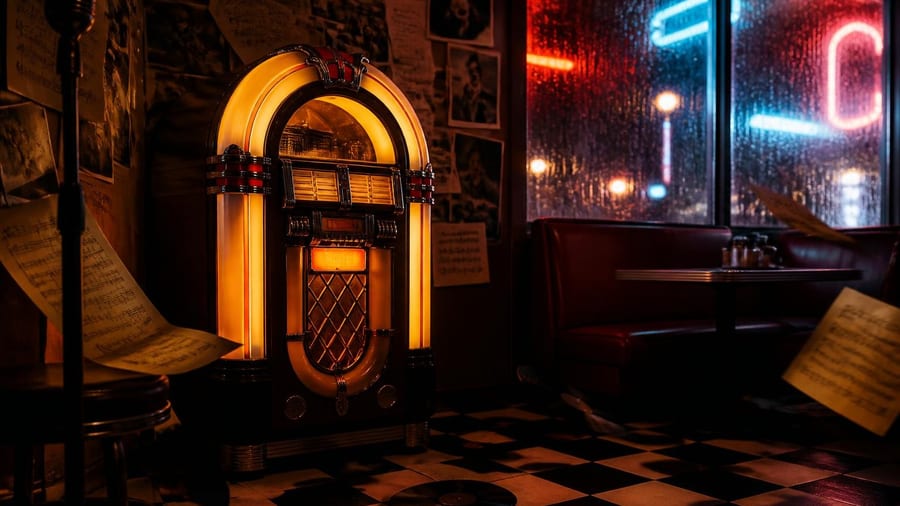
The 1950s transformed American music in ways few decades ever have. From the birth of rock and roll to the smooth harmonies of doo-wop and the enduring appeal of jazz crooners, this era created a soundtrack that still resonates today. But how well do you really know these classics? While you might be able to hum the chorus, recognizing a song from its very first words is a different challenge altogether.
This quiz invites you to journey back through the decade that gave us Elvis Presley, Chuck Berry, and The Platters. The opening lyrics of a song often set the tone for everything that follows—whether it's the rebellious energy of early rock or the romantic yearning of a slow ballad. Testing your recall of these lines reveals not just memory, but how deeply these tracks shaped cultural consciousness.
The Rock and Roll Revolution That Shook America
Before the 1950s, popular music in the United States was dominated by big band swing and sentimental ballads. Then came a seismic shift. Rock and roll emerged from a blend of rhythm and blues, country, and gospel, creating something entirely new. Artists like Chuck Berry, Little Richard, and Elvis Presley didn't just perform—they embodied youthful rebellion and energy.
Berry's guitar riffs and narrative storytelling in songs like "Maybellene" and "Johnny B. Goode" established rock and roll as a legitimate art form. Little Richard's explosive performances and hits such as "Tutti Frutti" brought raw energy to mainstream audiences. Meanwhile, Elvis became the face of the movement, with tracks like "Jailhouse Rock" and "Hound Dog" dominating the charts and scandalizing conservative America with their suggestive rhythms and hip-swiveling performances.
"Rock and roll music, if you like it, if you feel it, you can't help but move to it," Elvis Presley once said, capturing the irresistible pull of the genre.
The opening lyrics of these songs often carried a punch. They grabbed listeners immediately, whether with Berry's storytelling or Richard's wild exclamations. Knowing these lines meant you were part of a cultural moment that older generations viewed with suspicion and younger ones embraced wholeheartedly.
Crooners and Ballads: The Smooth Side of the Decade
Not everyone was ready for rock and roll's brash arrival. Many listeners preferred the sophisticated sounds of Frank Sinatra, Dean Martin, and Nat King Cole. These artists represented continuity with the pre-war era, offering polished performances and romantic themes that appealed to a more traditional audience.
Sinatra's "Come Fly with Me" invited listeners on an elegant journey, while Dean Martin's "That's Amore" celebrated romance with Italian-American flair. Nat King Cole's velvety voice on "Unforgettable" created moments of intimate beauty that stood in stark contrast to the raucous energy of rock and roll. These songs opened with carefully crafted lines designed to draw listeners into a mood rather than jolt them into action.
- Frank Sinatra released over 30 albums during the 1950s, cementing his status as a premier interpreter of the American songbook.
- Nat King Cole became the first African American to host a national television variety show in 1956.
- Dean Martin's laid-back style and smooth vocals made him a crossover star in both music and film.
The opening words of these ballads often set a scene or established an emotional tone. Recognizing them required familiarity with a different musical vocabulary—one built on subtlety, phrasing, and emotional nuance rather than raw energy.
Doo-Wop and Rhythm and Blues: Harmony Takes Center Stage
While rock and roll grabbed headlines and crooners maintained their fan base, another genre quietly flourished: doo-wop. Groups like The Penguins, The Five Satins, and The Platters created vocal harmonies that became the soundtrack for slow dances and romantic moments across America.
"Earth Angel" by The Penguins remains one of the most recognizable doo-wop tracks, with opening lyrics that immediately evoke nostalgia. "In the Still of the Night" by The Five Satins showcased the genre's ability to blend vocal precision with emotional depth. These songs relied heavily on group harmonies, with each voice contributing to a larger sonic tapestry.
| Artist | Signature Song | Year Released |
|---|---|---|
| The Penguins | Earth Angel | 1954 |
| The Five Satins | In the Still of the Night | 1956 |
| The Platters | Only You | 1955 |
The rhythm and blues scene also thrived during this period, with artists like Fats Domino and Ray Charles creating music that would influence generations to come. These performers blended gospel, jazz, and blues into a sound that was distinctly American and deeply rooted in African American musical traditions.
Why Opening Lyrics Matter in Music History
The first line of a song carries enormous weight. It must capture attention, establish mood, and hint at what's to come—all in a handful of words. In the 1950s, when radio was the primary way most Americans discovered new music, those opening moments could make or break a song's success.
Consider how "Rock Around the Clock" by Bill Haley and His Comets begins with an invitation to party that lasts all night. Or how "Johnny B. Goode" opens with a narrative that immediately places the listener in a specific setting. These weren't accidents—they were carefully crafted hooks designed to grab listeners in an increasingly competitive musical landscape.
Recognizing songs from their opening lyrics also reveals how deeply certain tracks have penetrated cultural memory. Some lines have become so iconic that they're quoted, referenced, and sampled decades later. Testing your knowledge of these openings is really testing how well the 1950s embedded itself in American consciousness.
The Lasting Influence of 1950s Music
The decade's musical innovations didn't stay confined to the 1950s. Rock and roll evolved into countless subgenres, from British Invasion rock to punk and beyond. Doo-wop influenced Motown and soul music in the 1960s. The crooner tradition continued through artists like Tony Bennett and Michael Bublé.
Modern artists regularly sample, cover, or reference 1950s classics. Hip-hop producers have built beats around doo-wop harmonies. Rock bands pay homage to Chuck Berry's guitar work. Even contemporary pop owes a debt to the era's emphasis on memorable hooks and opening lines.
Understanding the music of the 1950s means understanding a pivotal moment when American culture was being reimagined. The songs from this decade weren't just entertainment—they were statements about identity, rebellion, romance, and the future. Knowing them from their very first words connects you to a transformative period in cultural history.
Testing Your Knowledge and Discovering Hidden Gems
Taking a quiz on 1950s opening lyrics serves multiple purposes. It measures your familiarity with well-known classics, introduces you to lesser-known tracks that deserve recognition, and provides an excuse to revisit an extraordinary era of American music. Even if you miss a few questions, you'll likely discover songs worth adding to your playlist.
The beauty of this exercise is that it levels the playing field. Someone who grew up with these songs and someone discovering them for the first time can both find joy in the challenge. Music from the 1950s has proven remarkably accessible across generations, maintaining its appeal through shifting cultural landscapes.
Whether you're a devoted fan of rock and roll, a crooner enthusiast, or a doo-wop devotee, testing your knowledge reminds you why these songs endured. They captured something essential about their moment while creating melodies and lyrics that transcended it.
This article is intended for entertainment and educational purposes. Music knowledge quizzes do not assess any professional competency or replace formal music education.