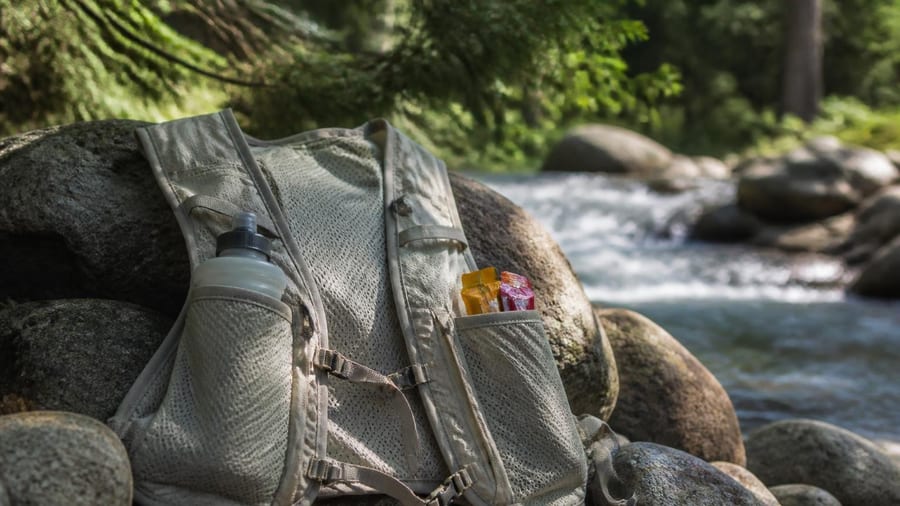
When you're miles into a trail run or halfway up a mountain, the last thing you want is a bulky backpack shifting on your shoulders. Hydration vests solve that problem by distributing weight close to your torso, keeping essentials accessible without the bounce and sway of traditional packs. For women, finding a vest that accommodates a smaller frame and curves isn't just about comfort—it's about safety and performance.
The modern hydration vest market has evolved far beyond simple bladder carriers. Today's designs blend moisture-wicking fabrics, compression straps, and specialized pockets to create systems that feel more like a second skin than cargo. Whether you're logging 15 miles on a weekend trail or navigating a half-marathon through city parks, the right vest keeps you moving efficiently.
Why Hydration Vests Beat Traditional Packs
Traditional daypacks sit away from your body, creating a gap that shifts with every stride. Hydration vests, by contrast, use stretchy fabrics and adjustable sternum straps to maintain constant contact with your rib cage and shoulders. This design reduces energy waste—studies from the American College of Sports Medicine show that load proximity to the body's center of mass improves running economy by up to 7%.
The vest format also distributes weight across your chest and upper back rather than loading it onto your shoulders alone. For women, this matters because anatomical differences in shoulder width and chest shape mean standard unisex packs often gap at the sternum or compress uncomfortably. Women-specific vests use curved front panels and adjustable chest straps that accommodate different body types without sacrificing stability.
Hydration vests let you wear your kit instead of carrying it, keeping your hands free and your center of gravity stable even on technical terrain.
Another advantage: accessibility. Front-mounted pockets let you grab gels, your phone, or a rain shell without stopping or contorting your arms backward. When you're maintaining a race pace or navigating a steep descent, that convenience translates to better focus and fewer interruptions.
Capacity Planning: Matching Vest Size to Activity
Hydration vests are measured in liters, typically ranging from 3L to 15L. Understanding what each capacity range supports helps you avoid buying too much (or too little) vest for your needs.
- 3-6L: Ideal for runs under two hours, city trail loops, or hot-weather outings where you're carrying minimal layers. Expect space for two soft flasks (500ml each), phone, keys, and a few gels.
- 6-10L: The sweet spot for half-day adventures—trail runs up to four hours, moderate hikes, or races requiring mandatory gear. Room for extra layers, a headlamp, first-aid kit, and snacks.
- 10-15L: Built for all-day hiking, ultra-distance races, or mountain missions where you need poles, insulation layers, navigation tools, and emergency supplies.
A common mistake is buying too large. Excess capacity means fabric flapping against your ribs once you've consumed water and snacks. Look for vests with compression straps that cinch down as volume decreases, maintaining a snug fit throughout your outing.
Hydration Systems: Bladders vs. Bottles
The hydration delivery method splits the market into two camps. Reservoir systems (bladders) sit in a sleeve against your back, feeding water through a tube you clip to your shoulder strap. Bottle systems use soft flasks tucked into front chest pockets.
Bladders offer hands-free sipping and larger single-container capacity—often 1.5L to 3L. They're excellent for long, steady efforts where you won't need to refill frequently. The downside: refilling requires removing the bladder, and you can't see how much water remains without checking the reservoir.
Soft flasks, typically 500ml each, sit in front chest pockets within easy reach. You can monitor your water supply at a glance, refill without removing your vest, and even stash one empty flask to reduce weight. Many runners prefer bottles because they encourage regular sips—the tube from a bladder can freeze in winter or develop an odd taste if not cleaned properly.
Some vests offer both options, with a bladder sleeve and front pockets sized for flasks. This flexibility lets you adjust your hydration setup based on conditions: bladder for cool-weather long runs, flasks for hot days when you'll refill at streams.
Fit Features That Matter for Women
Women-specific hydration vests incorporate design tweaks that make a measurable difference in comfort and performance. Look for these elements when evaluating options:
| Feature | Why It Matters |
|---|---|
| Curved front panels | Contour around chest without compression or gaping |
| Adjustable sternum straps | Allow customization for different torso lengths and chest sizes |
| Shorter torso length | Prevents vest from riding up on hips or sitting too low on shoulders |
| Elastic side panels | Provide stretch for breathing while maintaining stability |
Shoulder straps should sit flat without digging in, and chest pockets should be accessible without requiring you to pull fabric away from your body. Try the vest with water loaded—an empty vest might feel perfect, but two full 500ml flasks add over two pounds to the front, changing how straps sit.
Storage Beyond Hydration
Modern vests function as complete carrying systems. Front chest pockets handle high-frequency items: phone, snacks, sunscreen. Rear compartments store layers you'll need later—a windbreaker, down vest, or rain shell. Pole loops let you secure trekking poles when you're scrambling or running downhill sections.
Waterproof pockets protect electronics during unexpected rain. Some vests include integrated emergency whistles, bungee cords for lashing extra gear, and key clips that keep essentials from disappearing into dark corners. Zippered pockets offer security for credit cards or car keys; open-top pockets with elastic hems allow quick access but risk losing items on rough terrain.
Think about what you habitually carry. Trail runners might prioritize gel storage and a headlamp loop. Day hikers need room for a paper map, compass, and snacks for a summit lunch. Match the vest's pocket configuration to your typical kit list.
Material and Breathability Considerations
Hydration vests use lightweight nylon or polyester, often with mesh panels at the back and sides. Mesh improves airflow but reduces durability—branches and sharp rocks can snag the open weave. Solid fabric resists abrasion but traps more heat against your skin.
Look for moisture-wicking treatments that pull sweat away from your body. In humid conditions, even the best mesh can't prevent some dampness, but modern fabrics dry quickly once you stop moving. Seams should be flatlock-stitched to prevent chafing across shoulders and under arms, especially on runs exceeding 90 minutes.
Weight matters less than you might think. A vest that's 50 grams heavier but fits perfectly will outperform a featherlight option that bounces or rubs. Prioritize comfort and stability over shaving ounces.
Price and Value Assessment
Entry-level vests start around $40, offering basic bottle pockets and minimal storage. Mid-range options ($80-$120) add features like bladder compatibility, pole loops, and women-specific fit. Premium vests ($150+) use advanced fabrics, provide extensive adjustment, and often include warranties.
For occasional use—monthly hikes or casual trail running—a budget vest meets most needs. If you're logging miles weekly or training for distance events, investing in a quality vest pays dividends in comfort and durability. High-end models typically last 3-5 years with regular use, while budget options might show wear after a single season of heavy training.
Maintenance Tips for Longevity
Rinse bladders and bottles after every use to prevent mold and odor. Hang the vest to air-dry rather than stuffing it damp into a closet. Hand-wash with mild soap when it gets grimy; machine washing can damage delicate mesh and compression straps. Store with straps loosened to preserve elastic.
Check bite valves and tube connections periodically—these are common failure points. Most manufacturers sell replacement parts, extending the life of an otherwise sound vest.
This information does not replace advice from a qualified professional. Consult with outdoor specialists or medical professionals for personalized recommendations based on your specific health conditions and activity level.