Wearable health trackers have evolved from simple step counters into sophisticated devices that promise to unlock the secrets of your sleep, stress levels and overall wellness. But when you're choosing between premium options like the Oura Ring and the newer Fitbit Air, the marketing claims quickly blur together. I decided to test both devices simultaneously for two weeks, wearing them day and night to see which one delivers on its promises.
The answer isn't simple. Each device excels in different areas, and your choice ultimately depends on what health metrics matter most to you and how you want to interact with your data. Here's what I learned from my side-by-side experiment.
Design Philosophy and Everyday Comfort
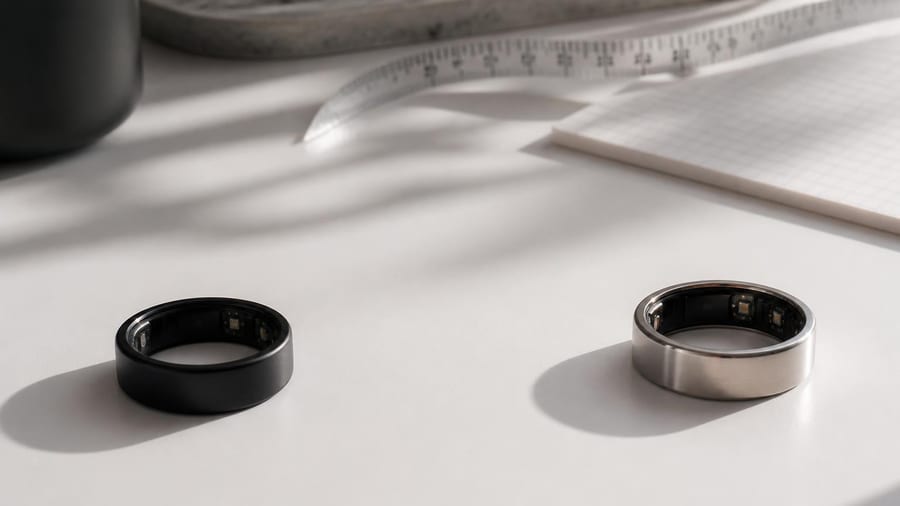
The Oura Ring takes a minimalist approach that feels almost invisible once you adapt to it. Weighing between 4 to 6 grams depending on size, it sits on your finger like a slightly thicker wedding band. I chose the silver finish, which blended well with my everyday jewelry. The first two days felt strange—I'm not used to wearing rings—but by day three, I forgot it was there.
The Fitbit Air, in contrast, follows the traditional wrist-worn tracker design with a slim profile and soft silicone band. At roughly 20 grams, it's noticeably present but not burdensome. The color touchscreen is vibrant and responsive, making it easy to check metrics at a glance without pulling out my phone.
For sleep tracking specifically, the Oura Ring won hands-down. I've always been sensitive to wrist devices at night, and even the Fitbit Air's lightweight design occasionally snagged on bedding or pressed uncomfortably when I slept on my side. The ring stayed completely unobtrusive.
Sleep Tracking Accuracy and Insights
Both devices claim advanced sleep monitoring, but their approaches differ significantly. The Oura Ring uses infrared photoplethysmography sensors and body temperature monitoring to assess sleep stages, heart rate variability and respiratory rate. Each morning, I received a Sleep Score based on total sleep time, efficiency, restfulness and timing.
The Fitbit Air also tracks sleep stages—light, deep and REM—plus provides a Sleep Score. However, I noticed the Fitbit consistently recorded my sleep onset about 15 minutes earlier than I actually fell asleep, likely because it interpreted stillness as sleep. The Oura Ring seemed more conservative and accurate, waiting for physiological markers beyond simple lack of movement.
After comparing both devices to my subjective experience each morning, the Oura Ring's sleep data aligned more closely with how rested I actually felt, particularly on nights when I woke frequently.
One standout Oura feature: its temperature tracking identified a 0.4-degree temperature variation three days before I developed cold symptoms. The Fitbit Air doesn't offer continuous temperature monitoring, which could be valuable for early illness detection or menstrual cycle tracking.
Activity Tracking and Exercise Recognition
This is where the Fitbit Air pulls ahead. Its wrist placement and accelerometer design make it superior for tracking dynamic movement. During a morning run, the Fitbit Air automatically recognized the activity within two minutes and began logging pace, heart rate zones and estimated calories burned. The screen let me check my stats mid-workout without breaking stride.
The Oura Ring tracks daily movement and assigns an Activity Score, but it's not designed for real-time workout feedback. There's no screen, so you can't glance at your heart rate during a session. The ring excels at measuring overall activity balance and recovery readiness rather than granular exercise metrics.
- Step counting: Both devices were within 3% of each other on most days
- Heart rate during rest: Oura Ring showed slightly lower variance, suggesting better sensor contact
- Workout auto-detection: Fitbit Air recognized 9 out of 10 workouts; Oura Ring classified general activity but missed specific exercise types
- GPS tracking: Fitbit Air includes built-in GPS; Oura Ring requires phone connection
Battery Life and Daily Usability
The Oura Ring delivered 5 to 6 days of battery life consistently, even with all features enabled. Charging takes about 90 minutes using its proprietary cradle. I developed a routine of charging it Sunday mornings while reading the news, which kept it powered all week.
The Fitbit Air required charging every 3 to 4 days with moderate use. The magnetic charging cable is convenient, but the shorter battery life meant I needed to plan charging sessions more carefully to avoid dead-device mornings. On two occasions, I woke to find the Fitbit had died overnight, losing that night's sleep data.
| Feature | Oura Ring | Fitbit Air |
|---|---|---|
| Battery Life | 5-6 days | 3-4 days |
| Charge Time | ~90 minutes | ~75 minutes |
| Water Resistance | 100m | 50m |
| Screen | None | Color touchscreen |
App Experience and Data Presentation
Both companion apps are polished, but they cater to different user preferences. The Oura app emphasizes holistic wellness with three daily scores: Sleep, Activity and Readiness. The Readiness Score became my morning compass, helping me decide whether to push hard at the gym or take a recovery day. The app discourages overtraining by integrating sleep quality, heart rate variability and previous activity into a single actionable metric.
Fitbit's app is more granular and data-rich. It offers detailed breakdowns of every metric, social challenges with friends and integration with a larger ecosystem of Fitbit services. If you enjoy diving into charts and comparing weekly trends, Fitbit provides more raw data to explore. The guided programs and mindfulness exercises add value beyond pure tracking.
One frustration with Oura: full access to all features requires a monthly membership fee after the first month. Fitbit offers a premium tier as well, but the free version still provides core tracking functionality.
Price and Value Consideration
At the time of testing, the Oura Ring Generation 3 retails for approximately $299 to $399 depending on finish, plus the $5.99 monthly membership. The Fitbit Air sits around $199 with optional Fitbit Premium at $9.99 monthly. Over a year, the total cost difference narrows when factoring in subscriptions.
For someone prioritizing sleep optimization and recovery insights—athletes, shift workers or anyone managing chronic health conditions—the Oura Ring's specialized sensors justify the investment. If you want a versatile device that handles workouts, notifications and daily activity tracking in one package, the Fitbit Air offers better all-around utility.
My Verdict After Two Weeks
Neither device is objectively superior; they serve different philosophies of health tracking. The Oura Ring is a passive, insightful companion that excels at measuring what happens when you're not actively exercising. Its sleep and recovery data changed how I approach rest days and bedtime routines. The Fitbit Air is an active partner that shines during workouts and keeps you connected throughout the day with its screen and broader feature set.
If forced to choose one, I'd select based on my primary goal. For improving sleep quality and understanding recovery patterns, I'd keep the Oura Ring. For comprehensive fitness tracking with real-time feedback during exercise, the Fitbit Air wins. Ideally, someone focused on elite athletic performance might benefit from both—though wearing two trackers long-term feels excessive for most people.
This information does not replace advice from a qualified healthcare professional. Consult your doctor before making health decisions based on wearable device data.