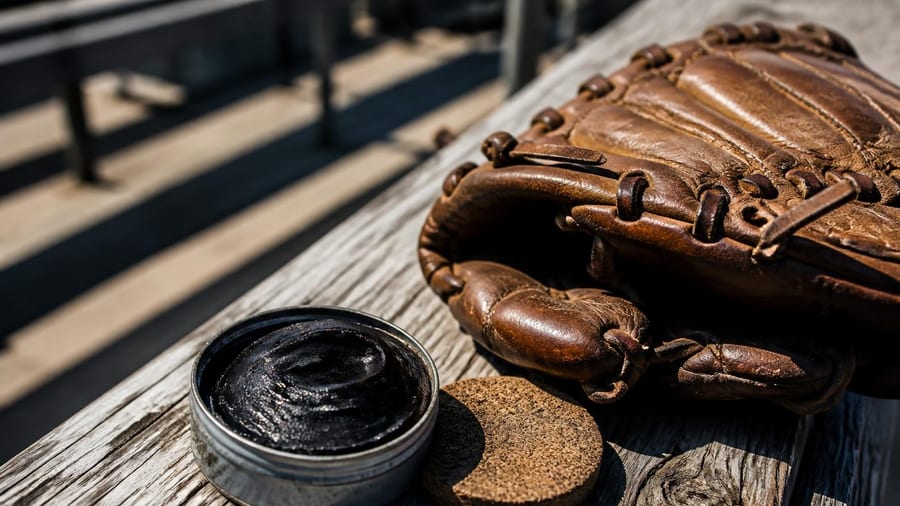
Walk into any baseball stadium on a sunny afternoon and you'll spot them: dark smudges painted beneath the eyes of outfielders, infielders, and even some pitchers. The practice is so common that it's become as much a part of the sport's visual identity as pine tar on bats and chalk on the baselines. Yet the question remains — does that black grease actually help players see the ball, or is it simply a ritual passed down through generations?
The answer lies somewhere between measurable optics and the psychology of preparation. Eye black, whether applied as a waxy paste or adhesive strips, serves a practical purpose: it's designed to absorb light rather than reflect it back into the player's eyes. When bright sunlight or stadium floodlights hit an athlete's cheeks, the skin can act like a mirror, bouncing glare upward and interfering with vision. By darkening that surface, players aim to reduce the amount of stray light entering their field of view — especially critical when tracking a small white ball against a glaring sky.
The Science Behind the Streak
Researchers have tested eye black under controlled conditions to determine whether it delivers a genuine advantage. One study measuring contrast sensitivity — the ability to distinguish an object from its background — found that traditional black grease offered modest improvements. When participants wore eye black and looked at visual targets under bright conditions, they performed slightly better at detecting fine differences in shading and edges.
However, the findings are not universal. Other experiments have shown that the benefit depends heavily on the testing environment, the type of eye black used, and even the angle of incoming light. Adhesive strips, for instance, may not perform as well as grease because they cover less surface area and sit farther from the eye. The consensus among sports scientists is that eye black provides a marginal edge — not a dramatic transformation, but potentially enough to matter in split-second decisions.
In a sport where reaction times are measured in fractions of a second, even a small visual improvement can influence the outcome of a play.
A Tradition Rooted in Improvisation
The origins of eye black stretch back nearly a century. Anecdotal accounts suggest that early 20th-century football players experimented with burnt cork to cut down on glare during daylight games. Baseball adopted the practice soon after, with legends like Babe Ruth reportedly using similar materials. By the 1940s and 1950s, the black marks had become a fixture in both sports, especially among outfielders who spent entire games staring into the sun.
What began as improvisation evolved into a standardized product. Commercial eye black appeared in tubes and stick form, marketed specifically to athletes. The ritual of applying it became part of pre-game preparation — a quiet moment of focus before stepping onto the field. Over time, the stripes took on symbolic weight, signaling readiness and intensity.
Alternatives to Eye Black
If the science behind eye black is inconclusive, why don't all players simply wear sunglasses? Some do, particularly outfielders tracking fly balls in bright conditions. But sunglasses come with trade-offs. They can fog up, slip during sprints, or create blind spots when looking down at the ground. Infielders rarely wear them because quick shifts in focus — from a batter to a base runner to a thrown ball — can be harder with tinted lenses.
Other sports have developed their own glare-fighting strategies:
- Skiers and snowboarders wear polarized goggles to combat the intense reflection off snow.
- Race car drivers use tinted visors that adjust automatically to changing light levels.
- Football players often pair eye black with hat brims or helmet visors for layered protection.
Baseball caps provide some shade, but their brims can't block light bouncing up from the field or off a player's own face. That's where eye black steps in, addressing a specific gap in glare reduction that headwear alone can't solve.
Performance Psychology and Confidence
Beyond measurable optics, eye black may offer a psychological boost. Athletes who believe they're better equipped to handle bright conditions may track the ball with more confidence. The act of applying the grease or strips can serve as a mental cue, a deliberate step in the transition from practice to competition. In professional sports, where mindset and preparation rituals are as important as physical conditioning, even a placebo effect has real value.
| Method | Primary Benefit | Common Limitation |
|---|---|---|
| Eye black (grease) | Absorbs reflected light | Modest, variable improvement |
| Sunglasses | Blocks direct sunlight | Can slip, fog, or limit peripheral vision |
| Baseball cap | Shades eyes from above | Does not address upward glare |
When Eye Black Matters Most
Not every player uses eye black, and not every game requires it. Night games under artificial lights may present less glare than afternoon contests in open-air stadiums. Indoor sports rarely need it at all. The decision to apply eye black often comes down to personal preference, position, and weather conditions. Outfielders in ballparks with strong afternoon sun — think Arizona in July or Florida in August — are more likely to reach for the grease than a catcher working in the shadow of home plate.
Some players customize their application, experimenting with different widths, placements, and products. The goal is always the same: to minimize any visual interference that could turn a routine catch into a costly error. In a sport where a single play can decide a championship, players are willing to try anything that might tilt the odds in their favor.
This information does not replace advice from a qualified professional. Always consult with a sports medicine specialist or athletic trainer for personalized recommendations regarding equipment and performance strategies.