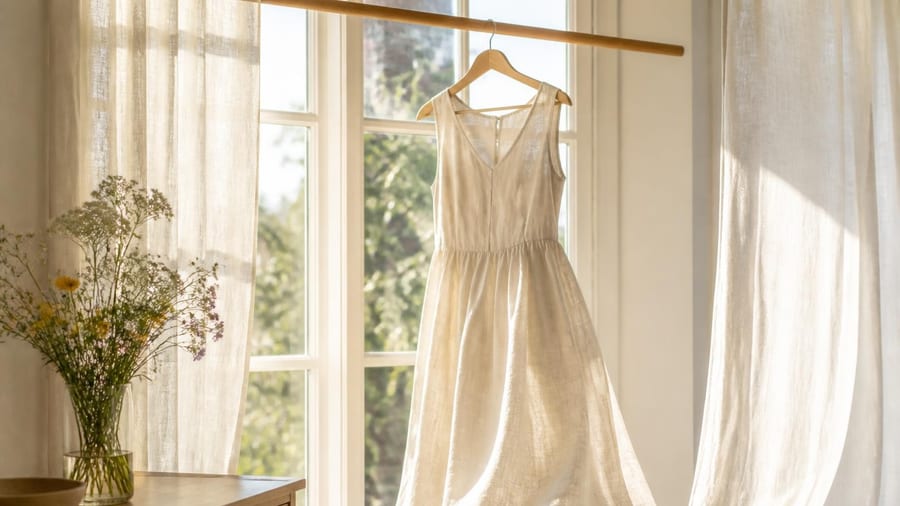
When summer temperatures climb and the hunt for breathable yet polished clothing intensifies, many shoppers assume they need to invest heavily in their seasonal wardrobes. Yet Welsh television presenter Alex Jones recently demonstrated that accessible retailers can deliver both style and function without draining your wallet. Her choice to wear an H&M linen dress underscores a broader shift in how Americans are approaching warm-weather fashion: prioritizing fabric quality and fit over designer labels.
The appeal of budget-friendly summer dressing extends far beyond a single celebrity endorsement. As inflation continues to impact household budgets across the United States, consumers are reevaluating their relationship with fashion spending. Department stores and fast-fashion chains have responded by elevating their natural-fiber offerings, making linen, cotton, and breathable blends more accessible than ever before.
Why Linen Remains the Gold Standard for Summer Comfort
Linen's reputation as the ultimate warm-weather fabric rests on science, not marketing hype. The flax fibers used to create linen are naturally hollow, allowing air to circulate freely and moisture to evaporate quickly. This unique structure makes linen up to three times more breathable than cotton, according to textile research. When temperatures soar above 85°F, this difference becomes immediately noticeable on the skin.
Beyond temperature regulation, linen offers practical advantages that justify its place in any summer wardrobe:
- Natural antibacterial properties that reduce odor even after extended wear
- Exceptional durability that improves with washing rather than degrading
- Hypoallergenic fibers ideal for sensitive skin
- Environmental sustainability, as flax requires minimal water and pesticides to cultivate
- Timeless aesthetic that transitions seamlessly from casual to formal settings
The fabric's characteristic wrinkles, once considered a drawback, have become a signature of relaxed summer elegance. Fashion experts now embrace linen's lived-in texture as part of its authentic charm, eliminating the pressure for crisp perfection that synthetic fabrics demand.
The Economics of Accessible Fashion
Major retailers have democratized linen over the past decade. What was once a premium fabric found primarily in boutiques now appears regularly in stores like H&M, Target, and Uniqlo at price points between $30 and $70 for dresses. This accessibility reflects improvements in global textile production and increased consumer demand for natural materials.
The American apparel market has seen a 23% increase in linen product offerings since 2019, with budget and mid-tier retailers accounting for most of that growth.
Consumer behavior data reveals that shoppers are becoming more strategic about where they allocate their fashion budgets. Rather than purchasing numerous synthetic items that deteriorate quickly, many Americans now invest in fewer, higher-quality natural-fiber pieces that last multiple seasons. A well-constructed linen dress worn 30 times over two summers delivers better cost-per-wear value than cheaper alternatives replaced annually.
Building a Versatile Summer Wardrobe on a Budget
Creating a functional warm-weather wardrobe doesn't require extensive spending or complicated planning. Fashion consultants recommend starting with foundational pieces in neutral tones that pair easily with existing items. For summer specifically, this strategy centers on breathable fabrics and adaptable silhouettes.
A capsule approach to summer dressing might include:
- Two to three linen or cotton dresses in different lengths and cuts
- One pair of wide-leg linen or cotton trousers
- Three breathable tops in complementary colors
- A lightweight cardigan or linen blazer for air-conditioned spaces
- Comfortable sandals in neutral leather or canvas
This foundation allows for multiple outfit combinations without requiring closet overflow. By selecting pieces that work together, shoppers can create 15 to 20 distinct looks from fewer than ten items. The key lies in choosing versatile colors—white, navy, tan, olive, and soft pastels—that mix effortlessly.
Styling Linen for Different Summer Occasions
One common misconception about affordable linen pieces is that they appear too casual for professional or formal settings. In reality, styling techniques can elevate even budget-friendly items to meet various dress codes. The difference often comes down to accessories, footwear, and layering rather than the base garment's price tag.
For workplace environments, a linen dress pairs well with structured leather sandals, a slim belt to define the waist, and minimal gold or silver jewelry. Adding a linen blazer in a complementary shade creates a polished ensemble appropriate for business-casual offices. The natural texture of linen actually reads as sophisticated rather than sloppy when paired with intentional accessories.
| Occasion | Styling Approach | Key Accessories |
|---|---|---|
| Weekend brunch | Relaxed fit, natural texture | Woven bag, flat sandals, sunglasses |
| Office meeting | Tailored silhouette, defined waist | Leather belt, closed-toe shoes, structured tote |
| Evening dinner | Statement jewelry, elevated shoes | Metallic sandals, clutch, bold earrings |
| Outdoor event | Sun protection, comfortable footwear | Wide-brim hat, crossbody bag, wedges |
The versatility of a well-cut linen dress makes it one of the hardest-working items in a summer wardrobe, easily justifying its purchase regardless of price point.
Care and Longevity: Maximizing Your Investment
Proper care extends the life of linen garments significantly, making even inexpensive pieces last for years. Unlike delicate fabrics that require special handling, linen actually becomes softer and more comfortable with each wash. This durability makes it particularly suitable for frequent summer wear.
To maintain linen's appearance and structure, wash garments in cool or lukewarm water on a gentle cycle. Hot water can cause excessive shrinkage, though high-quality linen is typically pre-washed to minimize this issue. Air-drying preserves fiber integrity better than machine drying, and linen dries quickly in warm weather. For those who prefer machine drying, a low-heat setting works well.
Ironing linen while slightly damp yields the smoothest results, though many wearers embrace the fabric's natural wrinkles as part of its character. Storing linen garments on hangers rather than folded prevents deep creases and allows air circulation that keeps fabrics fresh between wears.
The Broader Trend Toward Conscious Consumption
The popularity of affordable linen pieces reflects a larger movement in American consumer behavior. Shoppers increasingly prioritize sustainability, longevity, and value over fleeting trends and status symbols. This shift has prompted even budget retailers to improve their quality standards and expand natural-fiber offerings.
Environmental awareness plays a significant role in this transition. Linen production requires substantially less water than cotton cultivation and virtually no pesticides, making it one of the most ecologically sound textile choices available. As climate concerns influence purchasing decisions, fabrics with lower environmental footprints gain market share.
The democratization of quality materials through accessible pricing also challenges long-standing assumptions about fashion hierarchies. When a $40 linen dress from a mainstream retailer performs as well as—or better than—a $200 boutique alternative, consumers begin questioning where their money truly delivers value.
This information reflects general fashion guidance and consumer trends. Individual style choices and budget allocations should align with personal preferences and circumstances.