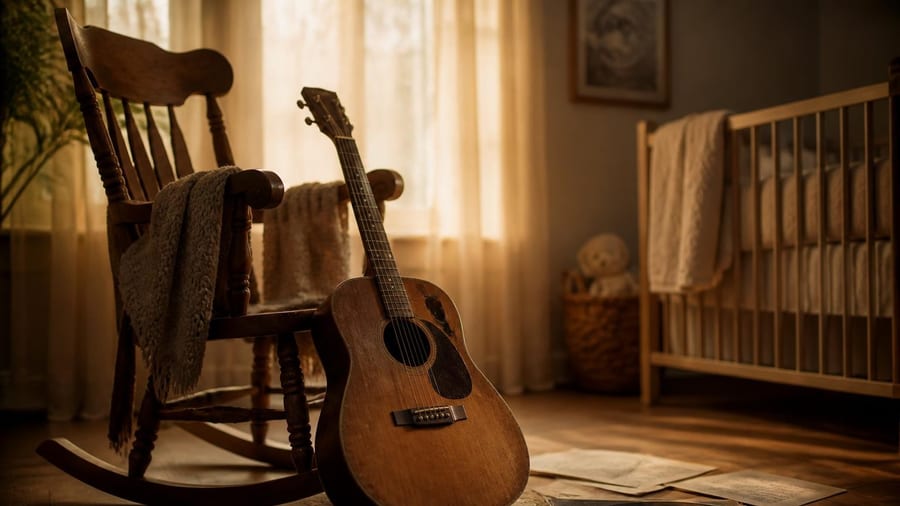
Music has long served as a mirror for the full spectrum of parental experience, and fatherhood occupies a unique corner of that catalog. Where maternal bonds dominate pop lyrics and country ballads, songs written from a father's perspective offer something different: reflections on masculinity, mortality, and the quiet terror of responsibility. To mark Father's Day, we compiled 11 standout recordings chosen by musicologists, scholars, and critics who study how artists translate the weight of fatherhood into melody and verse.
What emerges is a playlist far more nuanced than greeting-card sentimentality. These tracks wrestle with sleeplessness, inherited trauma, climate anxiety, and the collision between creative ambition and domestic duty. They also capture joy, devotion, and the strange alchemy that transforms a man when he becomes a parent.
Contemporary Albums That Reframe the Parenting Narrative
Several recent releases stand out for their willingness to portray early fatherhood without nostalgia or romanticization. Joshua Burnside's 2025 album explores the disorienting exhaustion of caring for an infant while maintaining professional and social obligations. The record layers field recordings and ambient samples beneath lyrics that oscillate between dark humor and existential dread, creating a sonic environment that mirrors the brain fog familiar to any sleep-deprived parent.
One track on the album repurposes a traditional children's street chant into an irreverent singalong, blending Belfast vernacular with modern production techniques. The result feels both timeless and immediate, a snapshot of fatherhood rooted in a specific cultural landscape yet broadly relatable.
Scottish indie band Admiral Fallow takes a complementary approach on their album celebrating new parenthood. The opening song juxtaposes a lullaby's tenderness with imagery of climate catastrophe, asking what promises are still possible in a warming world. Another cut depicts the surreal hours spent in a maternity ward from the father's vantage point—an angle rarely explored in popular music. The songwriter's transformation is audible across the tracklist, where bravado gives way to vulnerability and the rhythms of domestic life replace the road.
Historical Recordings and Generational Grief
Not all landmark father songs celebrate presence. Some of the most powerful explore absence, loss, and the long shadow cast by a parent who was never known. Pink Floyd's 1982 release about Roger Waters's father—killed during a World War II battle in Italy—was initially deemed too autobiographical for inclusion on a major album. The song eventually appeared on a film soundtrack, where its sparse arrangement and bitter indictment of military leadership created one of the band's most haunting moments.
The track asks what it means to grieve someone you never met, and how the absence of a father shapes identity across a lifetime.
This theme of inherited trauma recurs throughout the canon. Songs that address fathers lost to war, addiction, or abandonment often carry a dual weight: personal mourning intertwined with broader social critique. They ask uncomfortable questions about the structures—military, economic, cultural—that pull fathers away from their children.
Jazz, Soul, and the Language of Tribute
Horace Silver's 1965 composition remains a touchstone in the jazz repertoire, a modal piece that blends bossa nova rhythms with hard bop sensibilities. Written as a tribute to Silver's father, a Cape Verdean immigrant, the melody carries both melancholy and celebration. The track has been covered hundreds of times, by artists ranging from Latin ensembles to hip-hop producers, cementing its status as a universal statement of filial respect.
Soul and R&B have produced their own classics. Stevie Wonder's contributions to the Motown catalog include tributes that emphasize the moral and spiritual guidance fathers provide. These songs often frame fatherhood as mentorship, with the parent's voice offering wisdom that echoes long after childhood ends.
Folk Traditions and Storytelling
Acoustic traditions—folk, country, bluegrass—have always favored narrative depth over studio polish, making them natural vehicles for father-themed storytelling. Harry Chapin's catalog includes a widely recognized ballad about a father too busy to spend time with his son, only to find the roles reversed in old age. The song's simple chord progression and circular structure reinforce its cautionary message about time, ambition, and regret.
Contemporary folk artists continue this lineage, often adding layers of complexity. Songs explore blended families, co-parenting arrangements, and the challenges faced by fathers navigating mental health struggles or economic precarity. The best examples avoid cliché, opting instead for specificity: the texture of a child's hand, the sound of a screen door, the weight of a diaper bag slung over a shoulder.
Rock, Punk, and the Tension Between Rebellion and Responsibility
Rock music has always trafficked in rebellion, making fatherhood an uneasy subject for the genre. Yet some of the most compelling tracks emerge from that tension. Artists known for aggressive touring schedules and late-night excess face a reckoning when they become parents, and albums born from that shift can be revelatory.
Punk bands, in particular, have produced unexpected meditations on domesticity. The contrast between snarling guitars and lyrics about feeding schedules or bedtime routines creates a cognitive dissonance that feels honest. These songs acknowledge that becoming a father doesn't erase your past self—it simply forces you to negotiate between the person you were and the role you've assumed.
Why Fatherhood Songs Matter
Music about fatherhood serves multiple functions. For listeners who are parents, these songs validate experiences that often go unspoken in male-dominated spaces where vulnerability is discouraged. For those whose relationships with their fathers were complicated or painful, the songs offer a form of processing, a way to examine inherited patterns through the lens of art.
They also document shifting cultural norms. Earlier generations of father songs tended to emphasize provision and authority; contemporary tracks are more likely to highlight emotional availability and shared caregiving. This evolution reflects broader changes in gender roles and parenting philosophy, with music serving as both archive and catalyst.
The Role of Humor and Irreverence
Not every fatherhood anthem is somber. Some of the most enduring tracks embrace absurdity, poking fun at the mundane indignities of parenting: sleepless nights, destroyed furniture, the inexplicable stickiness of every surface. These songs create permission to laugh at the chaos, to acknowledge that love and frustration can coexist.
| Genre | Common Themes | Typical Tone |
|---|---|---|
| Jazz | Tribute, heritage, mentorship | Reflective, celebratory |
| Rock/Punk | Responsibility vs. freedom | Conflicted, raw |
| Folk/Country | Regret, time, legacy | Narrative, cautionary |
| Indie/Alternative | Exhaustion, transformation | Vulnerable, introspective |
Ultimately, the strongest father songs resist easy categorization. They contain multitudes: pride and fear, joy and sorrow, presence and absence. They remind us that fatherhood, like any human experience, defies reduction to a single sentiment or message.
This information reflects expert analysis and cultural commentary, not professional parenting advice.