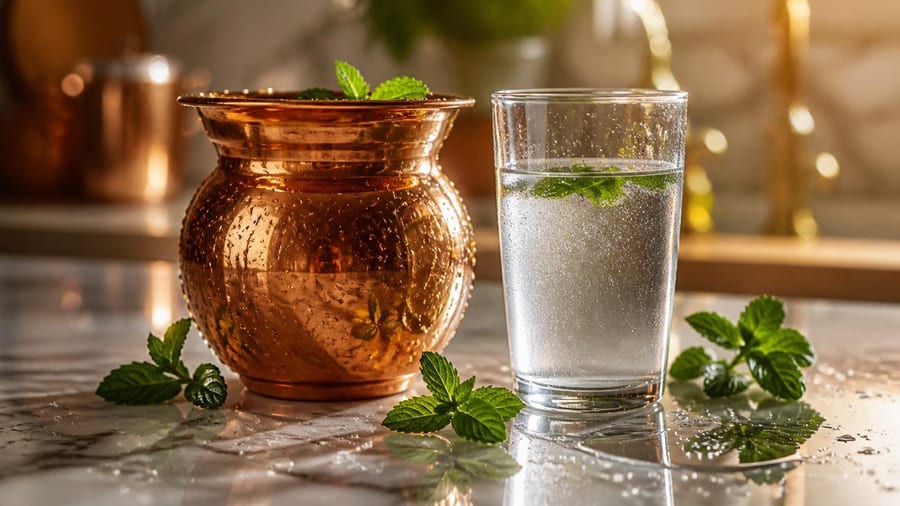
For centuries, cultures across South Asia have stored and consumed water in copper vessels, citing health benefits passed down through generations. Today, wellness influencers and alternative health advocates have revived the practice, selling hammered copper cups and pitchers with promises of antimicrobial properties, improved digestion, and even anti-aging effects. But what does the science actually say? Registered dietitians are weighing in on the claims—and the reality is more nuanced than social media suggests.
The Science Behind Copper and Water
Copper is an essential trace mineral that plays a role in iron absorption, immune function, and the formation of red blood cells. The human body requires approximately 900 micrograms of copper daily, according to dietary guidelines. When water sits in a copper vessel for several hours, trace amounts of the metal leach into the liquid through a process called oligodynamic effect—the ability of certain metals to exert a toxic effect on microorganisms.
Laboratory studies have demonstrated that copper surfaces can reduce bacterial load. Research published in peer-reviewed journals shows that copper ions disrupt bacterial cell membranes and interfere with DNA replication. This antimicrobial property is legitimate and has led to copper being used in hospital settings for touch surfaces like door handles and bedrails.
However, drinking water from a copper cup is not the same as applying copper to surfaces where bacteria actively grow. The concentration of copper ions released into water is minimal—typically measured in parts per billion—and the contact time in a drinking vessel is far shorter than the hours or days used in controlled laboratory conditions.
What Dietitians Say About Health Claims
Registered dietitians acknowledge copper's role as a micronutrient but caution against overstating the benefits of copper vessels. The trace amounts of copper transferred to water during typical use are unlikely to meaningfully contribute to daily copper intake, especially for individuals already consuming a balanced diet that includes nuts, seeds, whole grains, shellfish, and organ meats.
Most Americans obtain sufficient copper from food sources, and the amount leached from a cup into water is negligible compared to dietary intake from a single serving of cashews or a piece of dark chocolate.
Nutrition professionals express particular concern about marketing claims that suggest copper water can "detoxify" the body, boost metabolism, or slow aging. These assertions lack rigorous clinical evidence in human subjects. While copper is a cofactor in antioxidant enzymes, simply increasing trace copper exposure through a drinking vessel does not translate into measurable anti-aging or detoxification outcomes.
The Risk of Excess Copper
More is not always better. The tolerable upper intake level for copper is set at 10,000 micrograms per day for adults. Chronic exposure above this threshold can lead to copper toxicity, which manifests as nausea, vomiting, liver damage, and gastrointestinal distress. Individuals with Wilson disease—a genetic disorder that impairs copper metabolism—must avoid additional copper sources entirely.
Unregulated copper vessels pose another risk: if the interior is not lined or sealed properly, or if acidic beverages (lemon water, for example) are stored in the cup, copper can leach at higher concentrations. Dietitians recommend using only food-grade copper vessels with a protective interior lining, and avoiding prolonged storage of acidic liquids.
Practical Considerations for Consumers
If you choose to drink from a copper cup, nutrition experts suggest the following guidelines:
- Limit use to plain water; avoid acidic beverages such as citrus juice or coffee.
- Do not store water in copper vessels for more than 8-10 hours.
- Purchase vessels from reputable manufacturers that specify food-grade copper and interior linings.
- Clean copper cups gently with lemon and salt or a specialized cleaner; avoid abrasive scrubbing that damages protective coatings.
- Rotate copper use with stainless steel or glass to minimize cumulative exposure.
Comparing Copper to Other Hydration Vessels
When it comes to safe, effective hydration, dietitians emphasize that the vessel matters far less than the habit of drinking enough water throughout the day. The table below summarizes key considerations for common drinking materials:
| Material | Pros | Cons |
|---|---|---|
| Copper | Antimicrobial properties, traditional aesthetic | Risk of excess leaching, requires special care |
| Stainless Steel | Durable, no leaching, easy to clean | No antimicrobial claims |
| Glass | Inert, no flavor transfer, transparent | Fragile, heavier |
| Plastic (BPA-free) | Lightweight, affordable | Potential for microplastic release |
The consensus among dietitians is clear: hydration quality depends on water purity and intake volume, not the material of the cup. Municipal tap water in the United States is regulated by the Environmental Protection Agency and, in most regions, meets strict safety standards. Using a copper cup does not improve water quality if the source water is already safe.
The Bottom Line on Copper Cups
Copper vessels are not harmful when used correctly, and they offer a cultural and aesthetic appeal that resonates with many consumers. The antimicrobial properties of copper are real but apply primarily to surface contact, not beverage consumption. For individuals seeking to increase copper intake, food sources remain the most reliable and safest option.
Dietitians recommend approaching wellness trends with a critical eye, particularly when health claims extend beyond established nutritional science. Drinking water—whether from copper, glass, or stainless steel—remains one of the simplest and most effective health habits. The cup you choose should prioritize safety, convenience, and personal preference over unverified promises.
This information does not replace advice from a qualified healthcare or nutrition professional. Consult a registered dietitian or physician before making significant changes to your diet or supplement routine.