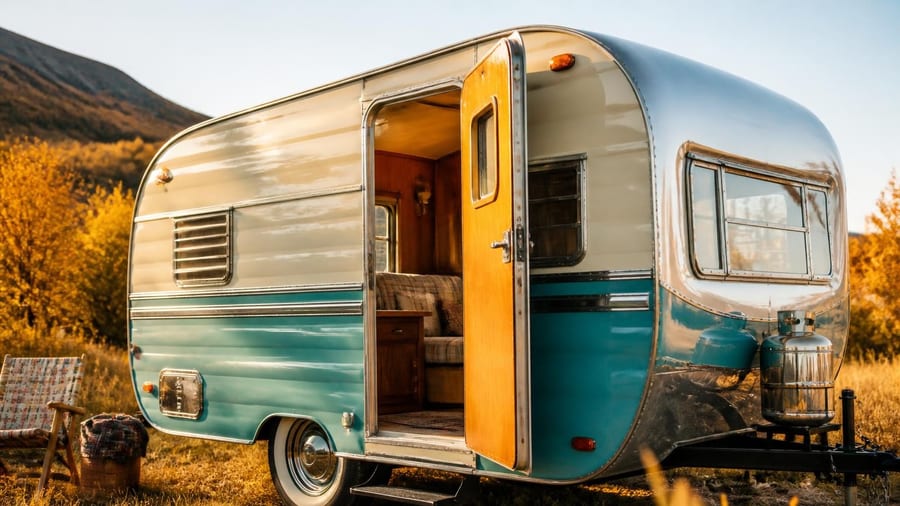
The American romance with recreational vehicles has experienced a dramatic resurgence in recent years, but for many families, the value of an older camper extends far beyond its function as a mobile vacation home. When a weathered travel trailer carries decades of memories—childhood sleepovers with cousins, cross-country road trips, lakeside summers—the decision to renovate rather than replace becomes an act of preserving family heritage.
Across the United States, enthusiasts are breathing new life into vintage RVs from the 1970s and 1980s, transforming outdated interiors into vibrant, functional living spaces. These renovations blend nostalgia with modern convenience, proving that heirloom restoration can yield practical results while honoring the past. The process often involves entire families learning carpentry, electrical work, and design principles together—skills that outlast any single project.
The Economics of Vintage RV Restoration
Purchasing a used recreational vehicle and renovating it can be significantly more affordable than buying new. While modern travel trailers frequently cost $25,000 to $60,000 or more, acquiring a vintage camper often requires only a few thousand dollars—sometimes even free if it's been sitting unused on a family property for years. Even with renovation expenses factoring in materials, tools, and occasional professional help for specialized tasks like gas hookups or electrical systems, total costs often remain well below the price of a comparable new model.
The renovation budget varies widely based on the scope of work and desired finishes. Complete interior overhauls including new cabinetry, flooring, upholstery, paint, and modern appliances typically range from $5,000 to $15,000 for a standard travel trailer. Those who tackle most tasks themselves and source materials creatively—reclaimed wood, secondhand fixtures, remnant fabrics—can stay on the lower end of that spectrum. Professional labor for plumbing, electrical, or structural repairs adds to the total but ensures safety and compliance with RV standards.
Design Strategies for Small-Space Transformation
Renovating a compact camper demands thoughtful design choices. Every square foot matters when the entire living space measures less than 200 square feet. Successful transformations typically involve:
- Removing outdated brown paneling and replacing it with bright paint or light-colored wood
- Installing multi-functional furniture such as benches with storage underneath
- Updating lighting fixtures to LED options that reduce power consumption and heat
- Choosing durable, easy-to-clean materials that withstand travel vibration and outdoor use
- Maximizing vertical space with shelving, hanging organizers, and loft beds
Color psychology plays a significant role in these renovations. Light, cheerful hues—aqua blues, soft greens, warm whites—make cramped quarters feel more spacious and welcoming. Bold accent colors add personality without overwhelming the limited square footage. The 70% neutral, 30% color guideline that interior designers often recommend for homes applies equally well to RV interiors, where visual cohesion prevents spaces from feeling chaotic.
Choosing materials and colors that genuinely resonate with your family's aesthetic ensures you'll enjoy using the space for years, rather than following trends that may quickly feel dated.
Practical Challenges in Vintage Camper Restoration
Not every aspect of RV renovation proves straightforward. Vintage campers often harbor hidden problems that only become apparent during demolition: rotted floor joists from old leaks, corroded water lines, outdated electrical wiring that fails to meet current safety codes, or compromised exterior seals that allowed moisture infiltration for years.
Addressing structural issues takes priority over cosmetic improvements. Water damage, in particular, can compromise the entire frame if left unrepaired. Before installing beautiful new finishes, renovators must inspect the roof, windows, and exterior seams for leaks, then repair or replace damaged wood, insulation, and metal components. This unglamorous work consumes time and budget but prevents future disaster.
Another common challenge involves sourcing replacement parts for discontinued models. Appliances, windows, and hardware from 40- to 50-year-old campers rarely have exact modern equivalents. Renovators become adept at adapting standard RV components, fabricating custom solutions, or scouring salvage yards and online marketplaces for vintage parts. Online communities dedicated to specific camper brands provide invaluable guidance on compatible replacements and workarounds.
Skills Gained Through the Renovation Process
First-time renovators frequently report that their camper project taught them capabilities they never imagined possessing. Starting with minimal construction knowledge, many learn to install flooring, build cabinetry, upholster cushions, wire light fixtures, and apply professional-looking paint finishes. These transferable skills prove valuable for future home maintenance and improvement projects.
The learning curve can feel steep initially. Measuring twice and cutting once becomes more than a cliché when working with expensive materials in tight spaces where mistakes are difficult to hide. Online tutorials, RV renovation forums, and YouTube channels provide step-by-step guidance for nearly every task. Many renovators recommend starting with simpler projects—painting, installing peel-and-stick flooring—before attempting complex carpentry or electrical work.
Family involvement in the renovation process creates shared accomplishment and teaches younger generations practical skills often absent from modern education. Teenagers who help rebuild a camper learn problem-solving, patience, precision, and the satisfaction of transforming something worn into something beautiful through sustained effort.
Sustainable Aspects of Restoration Over Replacement
Beyond personal and financial benefits, renovating vintage campers aligns with environmental sustainability. Manufacturing a new RV requires substantial resources: aluminum, steel, fiberglass, plastics, textiles, appliances, and the energy to produce and assemble them. Extending the useful life of an existing camper avoids that manufacturing impact and keeps one more vehicle out of the waste stream.
Vintage campers often feature simpler construction than modern counterparts, making them easier to repair and modify. Solid wood framing, metal siding, and mechanical (rather than electronic) systems can last indefinitely with proper maintenance. When renovators choose durable, natural materials—solid wood rather than particleboard, metal rather than plastic—they further extend the camper's viable lifespan.
| Renovation Element | Typical Cost Range | DIY Difficulty |
|---|---|---|
| Interior Paint | $200-$500 | Beginner |
| Flooring Replacement | $300-$800 | Intermediate |
| Custom Cabinetry | $800-$2,500 | Advanced |
| Upholstery/Cushions | $400-$1,200 | Intermediate |
| Electrical Updates | $500-$1,500 | Professional Recommended |
Preserving Family Legacy Through Tangible Objects
Sentimental attachment transforms a renovation project from mere home improvement into heritage preservation. Objects that witnessed family milestones—the table where card games lasted past midnight, the bunk where children whispered secrets, the dinette where three generations shared meals—carry emotional weight that transcends their monetary value.
Renovating rather than discarding these memory-laden spaces honors the experiences they hosted. Children who camped in a trailer as youngsters can introduce their own children to the same adventure, now in a refreshed form that accommodates contemporary comfort expectations while retaining the original character. This continuity across generations creates living family history, more tangible and engaging than photo albums alone.
Some renovators incorporate deliberate nods to the camper's history: preserving original hardware, reusing vintage fabric patterns in new upholstery, or displaying old photos from camping trips on interior walls. These touches acknowledge the camper's past while celebrating its renewed future.
This information does not replace advice from a qualified professional. Consult licensed electricians, plumbers, or RV technicians for specialized systems work to ensure safety and compliance with applicable codes.