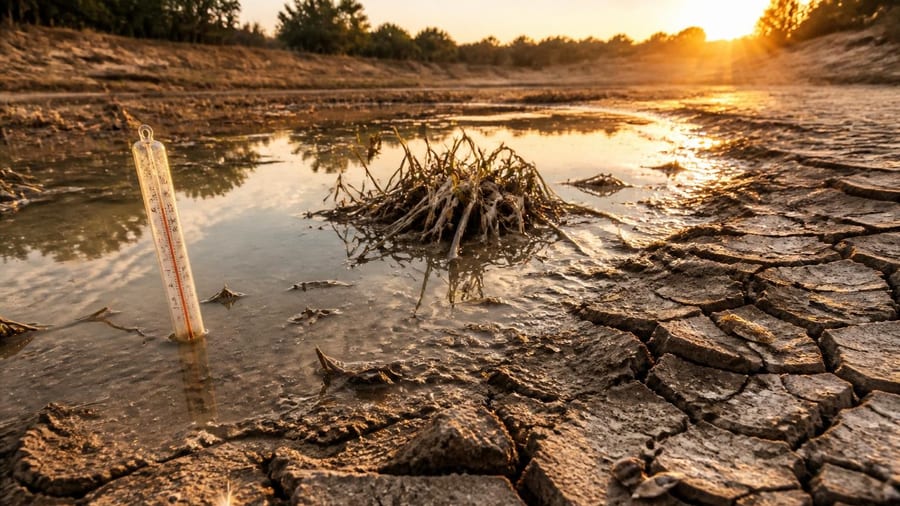
As global temperatures climb to unprecedented levels, wildlife across North America and beyond face mounting threats that extend far beyond simple discomfort. Heat stress now represents one of the most urgent challenges to biodiversity, affecting species from the smallest insects to the largest marine mammals. Understanding how extreme temperatures impact different animal groups reveals the complex and cascading effects of climate change on natural systems.
Unlike humans, who can seek air-conditioned refuge or adjust clothing, wild animals must rely entirely on behavioral adaptations and physiological tolerance. When ambient temperatures exceed critical thresholds, the consequences can be swift and deadly. Recent years have documented mass mortality events across multiple continents, from bat die-offs in Australia to seabird collapses along the Pacific Coast.
Avian Vulnerability in a Warming World
Birds face particular challenges during heat waves because their baseline body temperatures already run higher than most mammals—typically between 104°F and 108°F. This narrow margin means even moderate external temperature increases can push birds toward lethal limits. Species that evolved in temperate or cooler climates lack the physiological toolkit to dissipate heat efficiently.
During extreme heat events, birds exhibit a range of stress behaviors. They pant rapidly to cool through evaporative water loss, hold their wings away from their bodies, and seek shade obsessively. Nesting birds face an impossible choice: remain on eggs or chicks to protect them, or leave to find cooling relief. Ground-nesting species in open habitats, such as certain plovers and terns, experience reproductive failure rates approaching 100% during severe heat waves.
Migratory species encounter additional complications. Birds undertaking long-distance flights burn enormous amounts of energy, generating metabolic heat. If they encounter unseasonable warmth en route, the combination of exertion and ambient temperature can prove fatal. Stopover habitats with water sources become critically important, yet many traditional rest sites are drying up as climate patterns shift.
Aquatic Ecosystems Under Thermal Stress
Fish and other aquatic organisms face a different set of challenges as water temperatures rise. Dissolved oxygen levels decline as water warms, while fish metabolism accelerates, creating a dangerous mismatch between oxygen supply and demand. Cold-water species such as trout and salmon are particularly vulnerable, with many populations already confined to shrinking thermal refugia in headwater streams.
When stream temperatures exceed 70°F for extended periods, salmon stop feeding and migrating. Above 75°F, tissue damage begins. Sustained temperatures above 80°F are lethal for most Pacific salmon species.
Marine ecosystems experience parallel disruptions. Coral reefs, often called the rainforests of the sea, undergo bleaching when water temperatures rise just 2°F above normal summer maximums for several weeks. The symbiotic algae that provide corals with food and color are expelled, leaving ghostly white skeletons. Without rapid cooling, entire reef systems collapse, eliminating habitat for thousands of dependent species.
Coastal fish nurseries in shallow bays and estuaries heat faster than open ocean waters. Juvenile fish trapped in these warming zones face reduced growth rates, increased disease susceptibility, and higher predation risk as their behavior becomes erratic. The compounding effects ripple through food webs, affecting commercial fisheries and the communities that depend on them.
Terrestrial Mammals and Reptiles
Mammals employ diverse cooling strategies, but extreme heat overwhelms even the most adapted species. Desert-dwelling animals that evolved sophisticated thermoregulation—such as kangaroo rats and kit foxes—can survive in their native ranges, but habitat fragmentation prevents migration to cooler microclimates. Larger mammals like deer and elk must increase water intake substantially during heat waves, putting pressure on already stressed water sources.
The following physiological responses illustrate mammalian heat stress:
- Increased respiratory rate (panting) to enhance evaporative cooling
- Behavioral changes including nocturnal activity shifts
- Reduced foraging time leading to nutritional deficits
- Reproductive suppression or spontaneous abortion
- Compromised immune function and disease susceptibility
Reptiles, despite their reputation as sun-lovers, also suffer during extreme heat. Many lizard species have already disappeared from lower-elevation habitats in the Southwest, retreating to higher, cooler mountains. Turtles nesting on beaches face dual threats: adults may abandon nesting attempts during heat waves, while sand temperatures above certain thresholds skew sex ratios in developing eggs, potentially producing all-female clutches that threaten population viability.
Insect Collapse and Ecosystem Services
Insects, as ectotherms, are especially sensitive to temperature extremes. While they can't regulate body temperature internally, they've evolved precise behavioral responses to maintain optimal ranges. However, rapid temperature spikes outpace their ability to seek shelter. Pollinators like bees and butterflies become less active during extreme heat, reducing plant reproduction success. Night-flying moths that pollinate many wildflowers are disrupted when evenings fail to cool adequately.
| Species Group | Critical Temperature | Primary Impact |
|---|---|---|
| Honeybees | Above 95°F | Colony abandonment, reduced foraging |
| Monarch butterflies | Above 100°F | Larval mortality, migration disruption |
| Ground beetles | Above 104°F | Reproductive failure, population decline |
Aquatic insects face compounding stressors as stream temperatures rise and flow decreases. Mayflies, stoneflies, and caddisflies—keystone species in freshwater food webs—disappear when water temperatures exceed their narrow tolerance ranges, leaving fish and amphibians without critical food sources.
Cascading Effects and Tipping Points
Individual species losses trigger broader ecosystem disruptions. When heat stress eliminates a key pollinator, plant reproduction declines. Reduced plant populations affect herbivores, which in turn impacts predators. These cascading effects can push ecosystems toward alternative stable states—fundamentally different ecological configurations that resist returning to original conditions.
Protected areas that once served as wildlife refuges are losing their buffering capacity. National parks and wildlife reserves can't shield animals from atmospheric warming, and many species can't migrate fast enough to track shifting climate zones. Mountains offer some vertical relief, but summit-dwelling species have nowhere left to go.
Conservation strategies must now account for these thermal realities. Creating wildlife corridors that connect cooler refugia, restoring riparian vegetation that shades streams, and preserving high-elevation habitats all represent critical interventions. Urban areas can support wildlife by maintaining tree canopy, protecting water sources, and reducing heat-island effects through green infrastructure.
Looking Forward
The relationship between extreme heat and wildlife suffering underscores the urgency of climate action. While individual conservation measures help at local scales, only reducing greenhouse gas emissions addresses the root cause. Each fraction of a degree matters for species living near their thermal limits.
Citizen scientists can contribute by documenting wildlife behavior during heat events, providing water sources in gardens, and supporting organizations working on climate-informed conservation. Understanding how heat affects different species helps communities make informed decisions about land use, water management, and habitat protection.
This information does not replace guidance from wildlife management professionals or conservation biologists. For specific concerns about wildlife in distress, contact local wildlife authorities or rehabilitation centers.