When a family of four left their London terrace for the wide-open California desert in early 2020, they discovered something unexpected: their daughters thrived in open space. The girls explored freely, unburdened by the tight quarters of city life. That glimpse of freedom planted a seed that would soon reshape their entire living arrangement.
Returning to England, the family began searching not for another urban property, but for something that could offer a taste of that expansive feeling closer to home. The Home Counties of southeast England—Surrey, Berkshire, and surrounding regions—became their focus. While these areas lack the dramatic vistas of North America, they offer mature woodlands and a sense of seclusion that feels worlds away from London's density.
The Discovery of a Hidden Gem
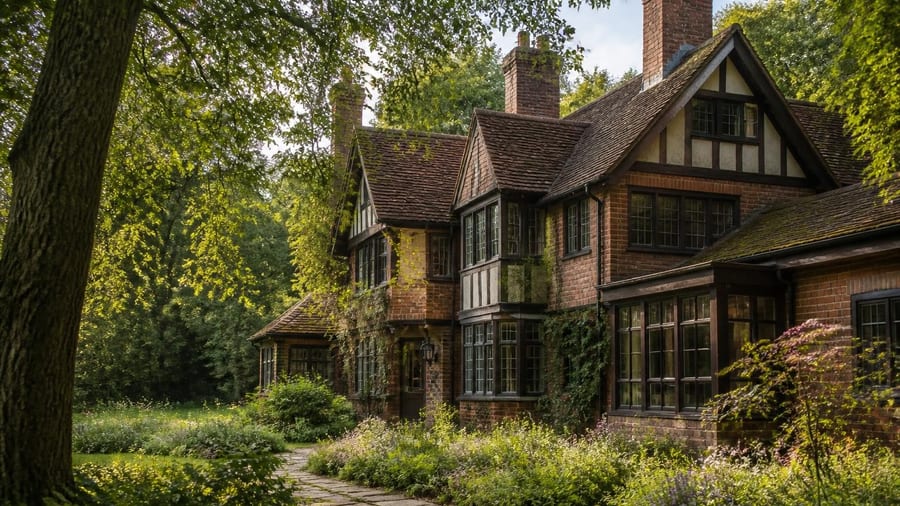
The property they eventually found sits on seven acres of wooded grounds, an Arts and Crafts structure dating back more than a century. The architectural style, which flourished between 1880 and 1920, emphasized craftsmanship, natural materials, and harmony with the landscape. The movement rejected mass production in favor of handmade details and honest construction.
For this family, the appeal was immediate. The house offered privacy, natural surroundings, and a connection to the outdoors that their London home could never provide. The decision to purchase came swiftly—before they had even left the driveway after their first viewing.
Yet beneath the charming exterior lay a cascade of challenges. The interior was dark and cramped, with low ceilings and heavy wood finishes that absorbed light. More troubling were the structural issues: the roof was inadequately attached, the plumbing created bizarre cross-connections, and the electrical system posed serious fire risks. A flood-risk assessment added another layer of complexity.
Confronting Structural Realities
Renovating a historic home in the UK requires navigating both technical and regulatory hurdles. Many Arts and Crafts houses are listed buildings, subject to conservation restrictions that limit alterations. Even unlisted properties often contain materials—such as lead paint, asbestos insulation, or outdated wiring—that demand specialized remediation.
This Surrey house presented multiple fronts of work. The roof required complete re-attachment and weatherproofing. The plumbing system needed a full replacement to establish independent fixtures. The electrical panel and wiring had to be brought up to modern safety codes. Each repair uncovered additional issues, a common scenario in century-old structures where original construction methods and materials have aged unpredictably.
The discovery that the roof was not properly secured to the structure represented a critical safety concern that required immediate attention and significant investment.
Transforming Dark Interiors into Light-Filled Spaces
Once the structural issues were addressed, the focus shifted to interior design. The goal was to preserve the home's historic character while introducing a lighter, more contemporary sensibility. The entrance hall, originally dominated by fake beams, antler chandeliers, and cold stone flooring, underwent a dramatic transformation.
Designers removed heavy ornamental elements and introduced softer materials. Paint colors shifted from dark wood tones to lighter neutrals that reflect daylight. Flooring choices balanced warmth with practicality. The result is a space that honors the Arts and Crafts aesthetic—natural materials, honest construction, attention to detail—while feeling fresh and welcoming.
In the kitchen, the design team mixed traditional cabinetry with bold color choices. Pale stone and deep green create visual interest without overwhelming the space. Oak detailing adds texture and warmth, connecting the room to the surrounding woodland. The seating area incorporates vibrant upholstery that injects personality into a room that could easily feel utilitarian.
Color and Texture as Tools
Throughout the house, the design strategy relies on careful layering of color and texture. Botanical prints, natural linens, and handwoven rugs create visual depth. Each room balances pattern and solid color, ensuring that no single element dominates. The approach reflects a contemporary interpretation of Arts and Crafts principles: materials are chosen for their inherent beauty, and finishes are allowed to show their natural characteristics.
The Appeal of Historic Homes in Modern Life
The trend toward historic properties has accelerated in recent years, driven partly by remote work arrangements that free families from urban centers. According to data from the UK Land Registry, rural property transactions in 2020 and 2021 increased by double-digit percentages compared to the previous decade. Buyers are drawn to larger plots, architectural character, and proximity to nature.
However, these benefits come with trade-offs. Maintenance costs for older homes typically exceed those for new construction. Heating and insulation challenges are common, as original building envelopes were designed for different climate expectations and energy was historically inexpensive. Updating systems to meet modern efficiency standards often requires invasive work and substantial budgets.
For families willing to invest the time and resources, the rewards can be significant. Historic homes offer spatial generosity that modern developments rarely match. Room proportions, ceiling heights, and window placements reflect a different era's priorities, often resulting in more gracious living spaces. The connection to landscape—a hallmark of Arts and Crafts design—creates a living environment that feels integrated with its surroundings rather than imposed upon them.
Lessons from a Multi-Year Renovation
This Surrey project illustrates several key principles for anyone considering a similar undertaking. First, thorough pre-purchase inspections are essential but not infallible. Even detailed surveys can miss critical issues hidden behind finishes or within structural cavities. Second, budget flexibility is crucial; unexpected problems are the rule, not the exception. Third, the right design team can transform limitations into opportunities, finding creative solutions that respect a building's history while meeting contemporary needs.
The family's willingness to embrace both the charm and the challenges of their Arts and Crafts house has resulted in a home that balances historic character with modern livability. The dark, cramped interiors have given way to light-filled rooms that connect to the surrounding landscape. The structural vulnerabilities have been addressed with modern materials and methods that respect the original construction.
This information does not replace advice from a qualified architect, structural engineer, or historic preservation specialist when considering the purchase or renovation of a historic property.