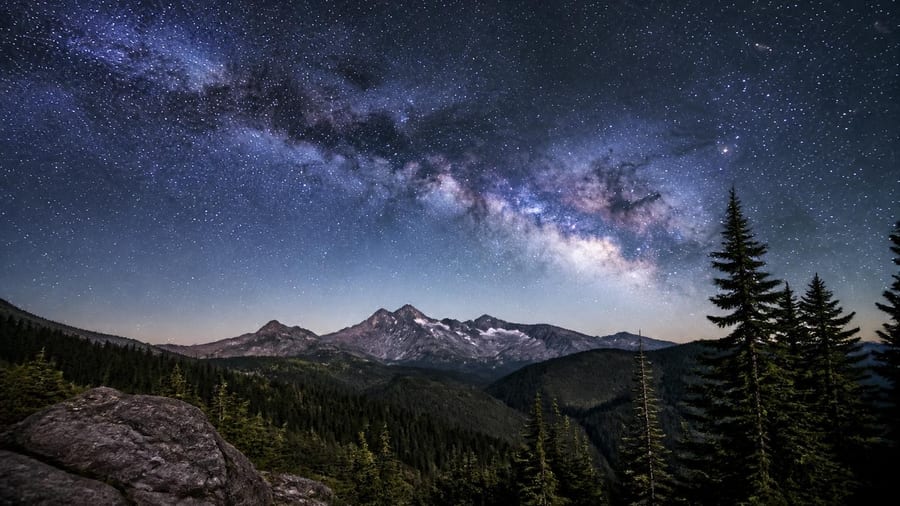
America's national parks protect more than landscapes—they safeguard some of the darkest night skies on the continent. A recent study analyzing atmospheric data, light pollution metrics, and elevation profiles has identified the ten best national parks for observing stars, planets, and the Milky Way. As artificial light continues to brighten 80% of the United States, these protected areas offer rare windows into the cosmos that our ancestors experienced nightly.
The research team evaluated factors including Bortle scale ratings (a measure of night sky brightness), average annual clear nights, elevation above sea level, and distance from major metropolitan areas. The findings reveal that exceptional stargazing requires more than simply escaping city lights—atmospheric stability, humidity levels, and geographic isolation all play critical roles in visibility.
Why Elevation and Atmosphere Matter for Night Sky Viewing
Altitude dramatically improves celestial observation. Parks situated at higher elevations place observers above a significant portion of Earth's atmosphere, reducing the distortion and scattering that obscure faint stars. Water vapor, dust particles, and atmospheric turbulence all diminish clarity, particularly near sea level.
Several parks on the list sit above 7,000 feet, where thinner air offers sharper views of deep-sky objects like nebulae and distant galaxies. The reduced atmospheric density also means less light scattering, allowing the Milky Way's dust lanes and star clouds to appear with striking contrast against the black sky.
Parks with International Dark Sky certification represent fewer than 20 locations nationwide, making them irreplaceable resources for astronomical research and public education.
The Role of Light Pollution and Dark Sky Designations
The International Dark-Sky Association (IDA) certifies parks that demonstrate exceptional commitment to preserving natural darkness. Several parks in the top ten hold this prestigious designation, which requires rigorous sky quality monitoring, outdoor lighting inventories, and public education programs.
Light pollution extends far beyond its source. A single city of one million people can create a light dome visible from 200 miles away. The most successful stargazing parks benefit from geographic buffers—vast stretches of uninhabited land that create protective zones around the viewing areas.
- Bortle Class 1 or 2 skies (the darkest categories) reveal approximately 5,000 stars visible to the naked eye
- Urban skies typically register Bortle Class 8 or 9, limiting visibility to fewer than 50 stars
- Annual cloud cover patterns determine how many nights per year remain suitable for observation
- Seasonal variations affect both temperature comfort and astronomical phenomena visibility
Desert Parks Versus Mountain Parks: Different Advantages
The study reveals a split between two dominant park types. Desert parks in the Southwest offer exceptionally dry air with minimal humidity, which reduces atmospheric haze. These locations frequently log more than 250 clear nights annually, providing reliable conditions for amateur astronomers and astrophotographers.
Mountain parks, conversely, leverage elevation and geographic isolation. While they may experience more variable weather, their high-altitude locations cut through atmospheric layers that degrade image quality. Winter months often produce the most transparent skies, though cold temperatures require appropriate preparation.
| Park Type | Primary Advantage | Best Season |
|---|---|---|
| Desert Parks | Low humidity, frequent clear nights | Spring and fall |
| Mountain Parks | High elevation, reduced atmosphere | Summer and winter |
| Remote Parks | Maximum light pollution distance | Year-round |
Planning Your Night Sky Observation Visit
Successful stargazing requires preparation beyond identifying dark locations. The lunar cycle critically impacts visibility—a full moon can wash out faint stars and the Milky Way's subtle features. New moon periods offer the darkest conditions, typically occurring once monthly for three to four nights.
Weather forecasting becomes essential. Cloud cover predictions, atmospheric transparency forecasts, and wind speed data all inform the likelihood of productive observation. Many parks maintain astronomy programs led by rangers or volunteer organizations, providing telescopes and expert guidance.
Equipment needs vary by experience level. Binoculars offer an accessible entry point, revealing star clusters and nebulae invisible to unaided eyes. Red flashlights preserve night vision while reading star charts. Warm clothing remains necessary even in summer, as temperatures drop significantly after sunset at higher elevations.
The Growing Threat to Dark Skies and Conservation Efforts
Light pollution increases globally by approximately 2% annually, according to satellite measurements. This expansion threatens not only astronomical observation but also wildlife behavior, human health, and energy consumption. Nocturnal animals rely on natural darkness for navigation, hunting, and reproduction—artificial light disrupts these essential patterns.
National parks increasingly recognize their responsibility as darkness refuges. Updated lighting standards require shielded fixtures that direct illumination downward, LED color temperatures that minimize sky glow, and timing controls that reduce unnecessary overnight lighting. These measures preserve the night sky experience while maintaining safety.
Visitor education programs emphasize responsible behavior. Even flashlights and vehicle headlights can temporarily impair night vision for dozens of observers. Designated viewing areas, astronomy festivals, and ranger-led programs help concentrate activity while protecting sensitive ecosystems from off-trail damage.
Practical Considerations for First-Time Dark Sky Visitors
Accessibility varies significantly among top-ranked parks. Some maintain paved roads to popular overlooks, while others require multi-mile hikes to reach optimal viewing zones. Physical fitness, navigation skills, and wilderness safety knowledge become important factors when planning remote observations.
Accommodation options range from developed campgrounds with amenities to backcountry permits for dispersed camping. Booking windows for popular parks can extend six months in advance, particularly during peak seasons and special celestial events like meteor showers or planetary alignments.
Photography enthusiasts should research park-specific regulations. Some locations restrict tripod placement or require special permits for commercial work. Long-exposure astrophotography demands stable platforms, precise focusing techniques, and post-processing skills to reveal details invisible during real-time observation.
This information does not replace advice from qualified park rangers, meteorologists, or wilderness safety professionals. Always consult current park conditions and regulations before planning your visit.