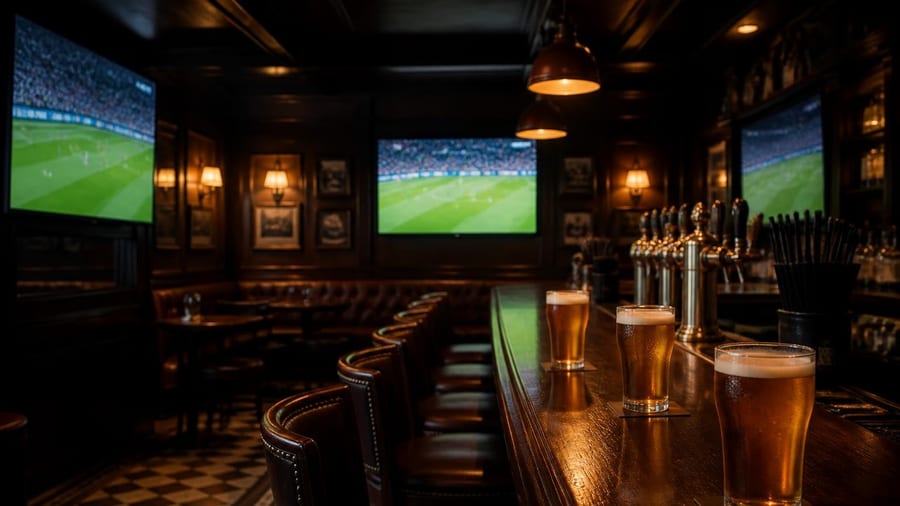
When major international soccer tournaments roll around, fans across the United States face a familiar challenge: finding the right venue to watch the matches. The ideal World Cup pub isn't just about screens and beer—it's about crafting an experience that honors the spirit of the game while offering comfort, quality food, and a crowd that enhances rather than detracts from the viewing experience.
Unlike league matches or smaller competitions, World Cup games demand venues that can handle crowds, maintain energy across multiple hours, and deliver on both ambiance and logistics. The difference between a mediocre match day and a memorable one often comes down to choosing wisely.
What Makes a Great World Cup Viewing Venue
Not every sports bar is built for tournament soccer. The best World Cup pubs share several key characteristics that elevate the experience beyond simply projecting a game onto a wall. First, capacity matters—venues need enough space to accommodate surges during marquee matches without feeling claustrophobic, yet maintain intimacy during group-stage games with smaller followings.
Screen placement is equally critical. A single massive screen can create a communal viewing experience, while too many scattered monitors fragment the crowd's attention and energy. The sweet spot is typically two to four strategically positioned screens that ensure everyone has a clear sightline without turning the venue into an electronics showroom.
Atmosphere separates great pubs from merely functional ones. Look for establishments with character—exposed brick, wooden fixtures, vintage soccer memorabilia—that suggest the owners understand the culture surrounding the sport. Chain venues often lack the soul that makes hours-long viewing sessions enjoyable, especially during the inevitable lulls between matches.
The Booking Question
Many top-tier World Cup pubs operate on a first-come, first-served basis, which promotes fairness and rewards dedicated fans willing to arrive early. This approach also solves a practical problem: when group-stage matches run back-to-back, early arrivals for the second game can enjoy the first in comfort rather than waiting outside. Reservations can create artificial scarcity and exclude passionate fans who simply didn't plan weeks in advance.
Food and Drink: The Essentials
A World Cup match can last two hours or more, and tournament days often involve multiple games. That makes food quality non-negotiable. The best venues offer a menu that balances accessibility with execution—think elevated pub fare rather than fine dining.
- Classic burgers with quality beef and fresh toppings
- Shareable appetizers like wings, nachos, or loaded fries
- Pizza, ideally from a proper oven, not a heat lamp
- Vegetarian options that go beyond sad salads
- Breakfast or brunch items for early kickoffs from distant time zones
Beer selection deserves equal attention. While you don't need a craft brewery's full roster, a pub should offer more than mass-market lagers. Look for venues with four to eight taps featuring a mix of styles—a crisp pilsner, a hoppy IPA, a smooth stout, and perhaps a local option. Pints should be properly poured and reasonably priced; $8-12 is standard in most US markets, though prices vary by region.
The holy grail is a venue that understands soccer culture doesn't demand pretension, just quality and authenticity delivered consistently across a long tournament.
Location and Accessibility Considerations
Geography plays a bigger role than many fans initially consider. A legendary pub across town loses appeal when you're making the trip for a 9 a.m. kickoff on a Saturday. The best World Cup venue for you is often the one you can reach easily, consistently, throughout the tournament.
Proximity to public transportation matters enormously, especially for matches where alcohol consumption is a given. Venues near subway stops, light rail stations, or major bus routes enable fans to enjoy themselves responsibly. Parking availability is secondary—if you're driving to a World Cup match, you're probably doing it wrong.
Neighborhoods with existing soccer culture often house the best viewing options. Areas with large immigrant populations, international communities, or established supporter groups tend to have pubs that understand the tournament's rhythms and rituals. These venues often display national flags, serve relevant comfort foods, and tolerate the kind of passionate vocal support that would feel out of place in generic sports bars.
Outdoor Spaces and Extended Hours
Beer gardens and patios transform good viewing experiences into great ones, weather permitting. Outdoor spaces provide overflow capacity during packed matches, offer smoking areas without requiring fans to abandon their spots entirely, and create festival-like atmospheres that honor soccer's social dimensions.
However, local regulations governing outdoor drinking areas vary significantly by municipality. Some cities permit extended patio hours for special events, while others enforce strict cutoffs regardless of circumstances. The 2026 World Cup, jointly hosted by the United States, Canada, and Mexico, will feature matches across multiple time zones, meaning some kickoffs will occur late by East Coast standards. Fans should confirm whether their preferred venue's outdoor space will be accessible for evening and night matches.
Extended hours are another logistical factor. Many states and municipalities granted temporary licensing extensions for previous tournaments, allowing pubs to open early for morning matches and stay open late for prime-time games. Verify that your chosen venue has secured the necessary permits well before match day—nothing deflates excitement like arriving to find the doors locked.
Building Your Tournament Rotation
Rather than committing to a single venue for the entire World Cup, consider developing a rotation of three to four pubs that serve different purposes. One might be your go-to for big matches when atmosphere is paramount. Another could be a quieter neighborhood spot perfect for midweek group games. A third might be a themed venue aligned with a particular nation or region, ideal when that country plays.
This approach prevents burnout, lets you experience different facets of soccer culture, and provides backup options when your first choice is overrun. It also supports multiple local businesses rather than concentrating all your tournament spending in one place—a consideration that matters to communities and helps ensure those pubs survive until the next World Cup.
| Pub Type | Best For | Watch Out For |
|---|---|---|
| Neighborhood tavern | Group-stage games, relaxed viewing | Limited capacity during knockout rounds |
| Dedicated soccer bar | Passionate crowds, full immersion | Can be overwhelming for casual fans |
| Beer garden venue | Warm-weather matches, social atmosphere | Weather dependency, hour restrictions |
| International club | Specific national team matches | May not show all games |
The Unwritten Rules of World Cup Pub Culture
Even the finest venue can't compensate for poor crowd behavior. World Cup pub culture operates on unwritten rules that veterans understand instinctively. Arrive early for important matches—squatting on a prime table five minutes before kickoff is poor form. If the venue is packed, be prepared to share tables with strangers; tournament soccer is communal by nature.
Respect other nations' fans, even rivals. The kind of tribal hostility appropriate for club matches has no place in World Cup viewing, where half the appeal lies in witnessing diverse fan bases converging. Save seats only for people who are genuinely coming, not theoretical friends who might show up. And for the sake of everyone's experience, moderate your alcohol consumption—passing out before halftime or becoming belligerent helps no one.
Tipping appropriately is especially crucial during tournaments. Bartenders and servers work harder during World Cup matches than typical shifts, navigating larger crowds, complex orders, and the chaos of scoring celebrations. Standard 20% gratuity should be the floor, not the ceiling, particularly if you're occupying a table for multiple hours.
This article provides general recommendations for selecting World Cup viewing venues. Individual experiences may vary based on location, specific establishment policies, and local regulations. Always verify current operating hours, capacity, and applicable rules before visiting.